员工绩效管理讲解
该模板适用于行政、人力资源制作绩效管理、企业内部·通知视频
 YYDS130 |
 2026-04-03 09:41:32


视频脚本
Thank you all for your time. Together let's walk through the Employee Performance Management System 2026.
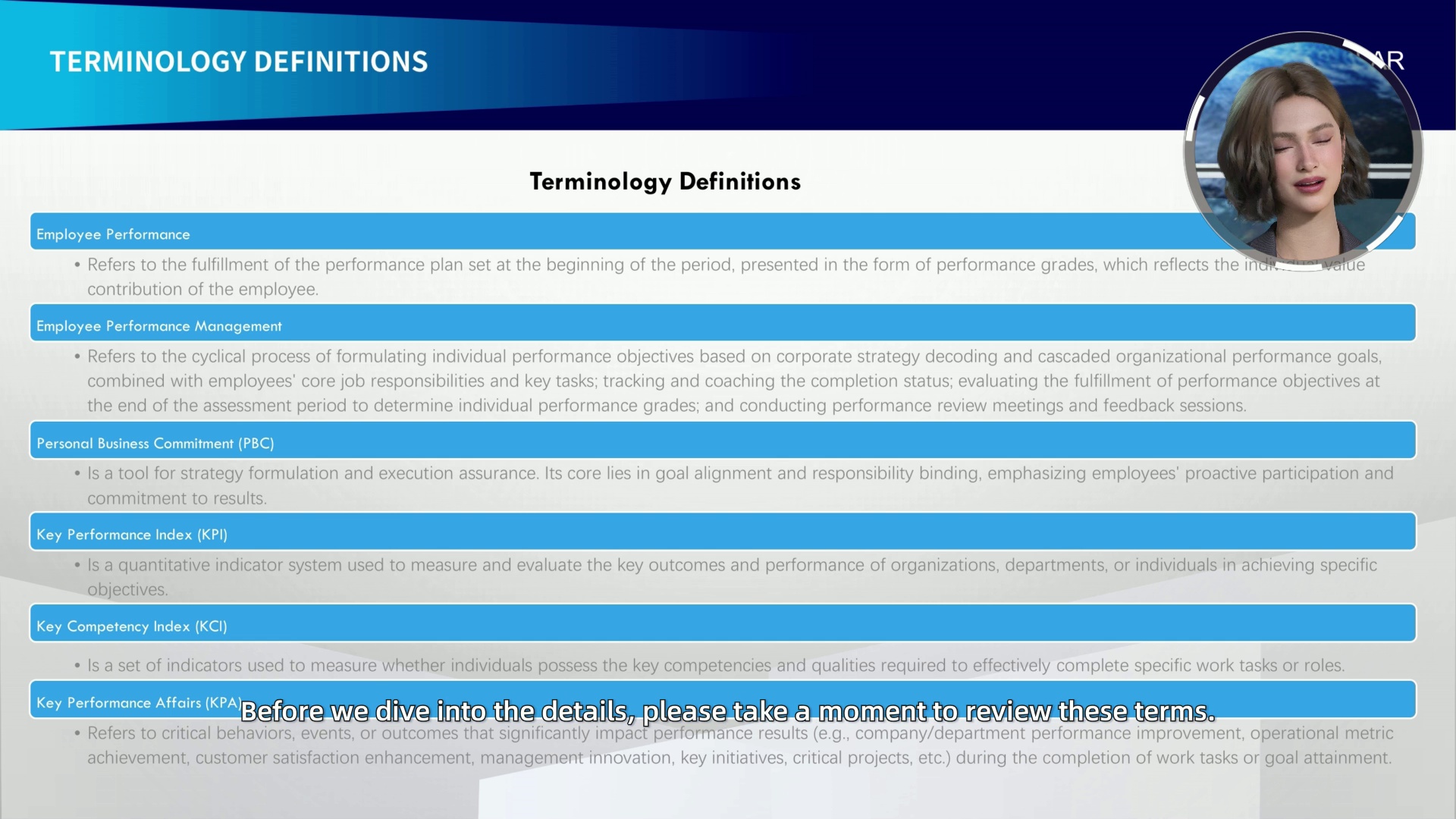
Before we dive into the details, please take a moment to review these terms.They'll help us understand the content.
Today's session covers 3 parts: Management Model, Process Management, and Result Management.
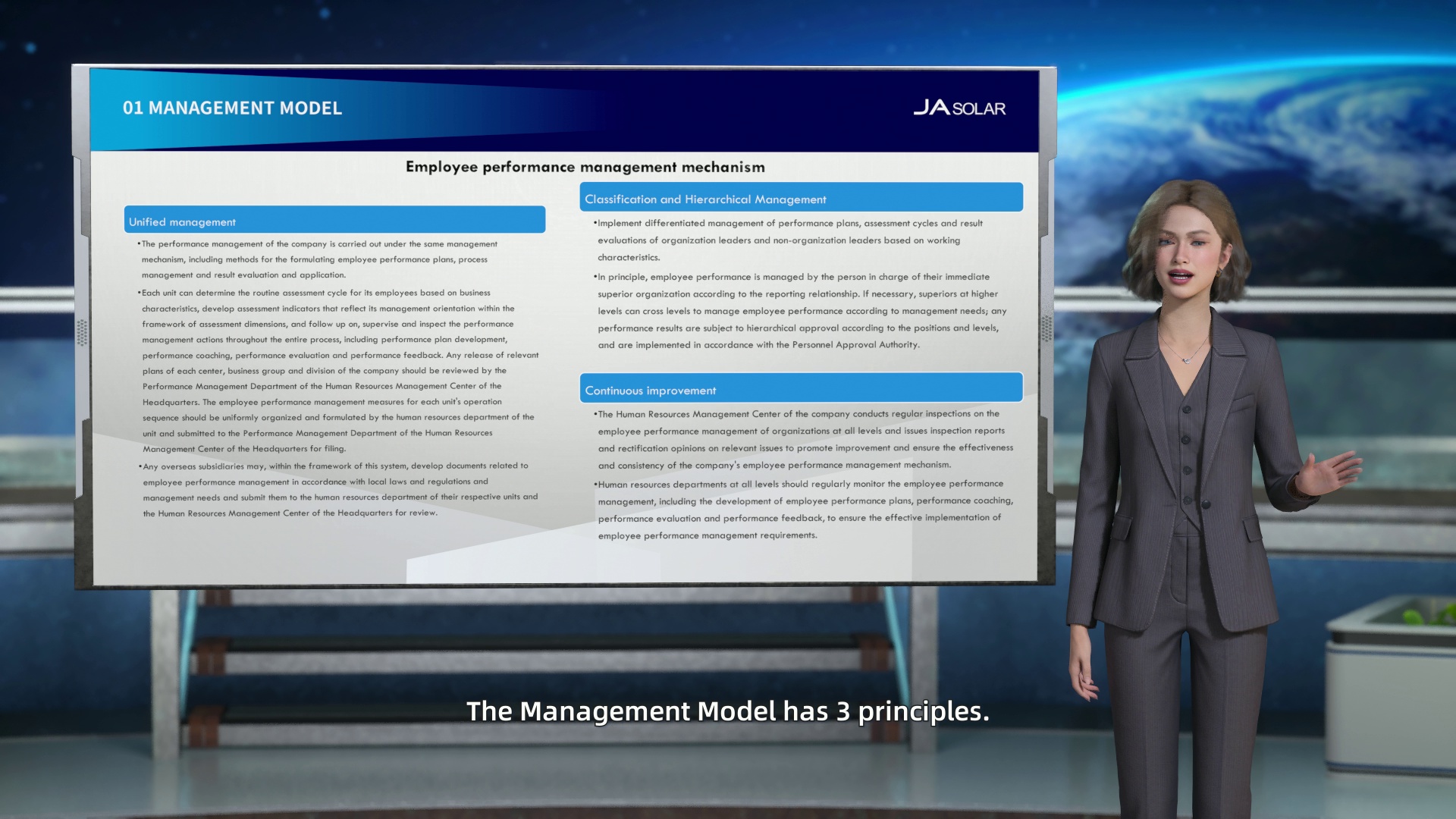
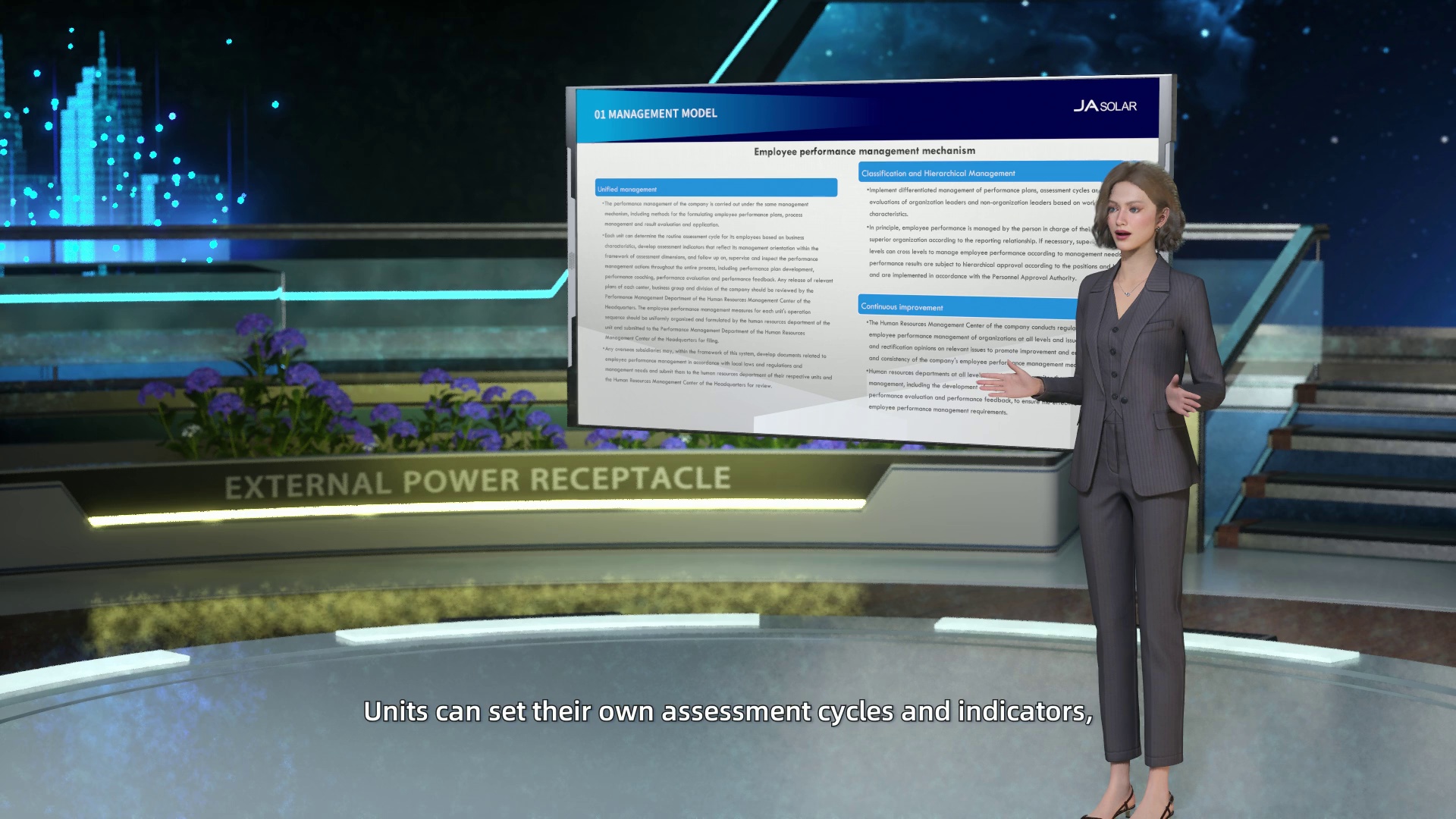
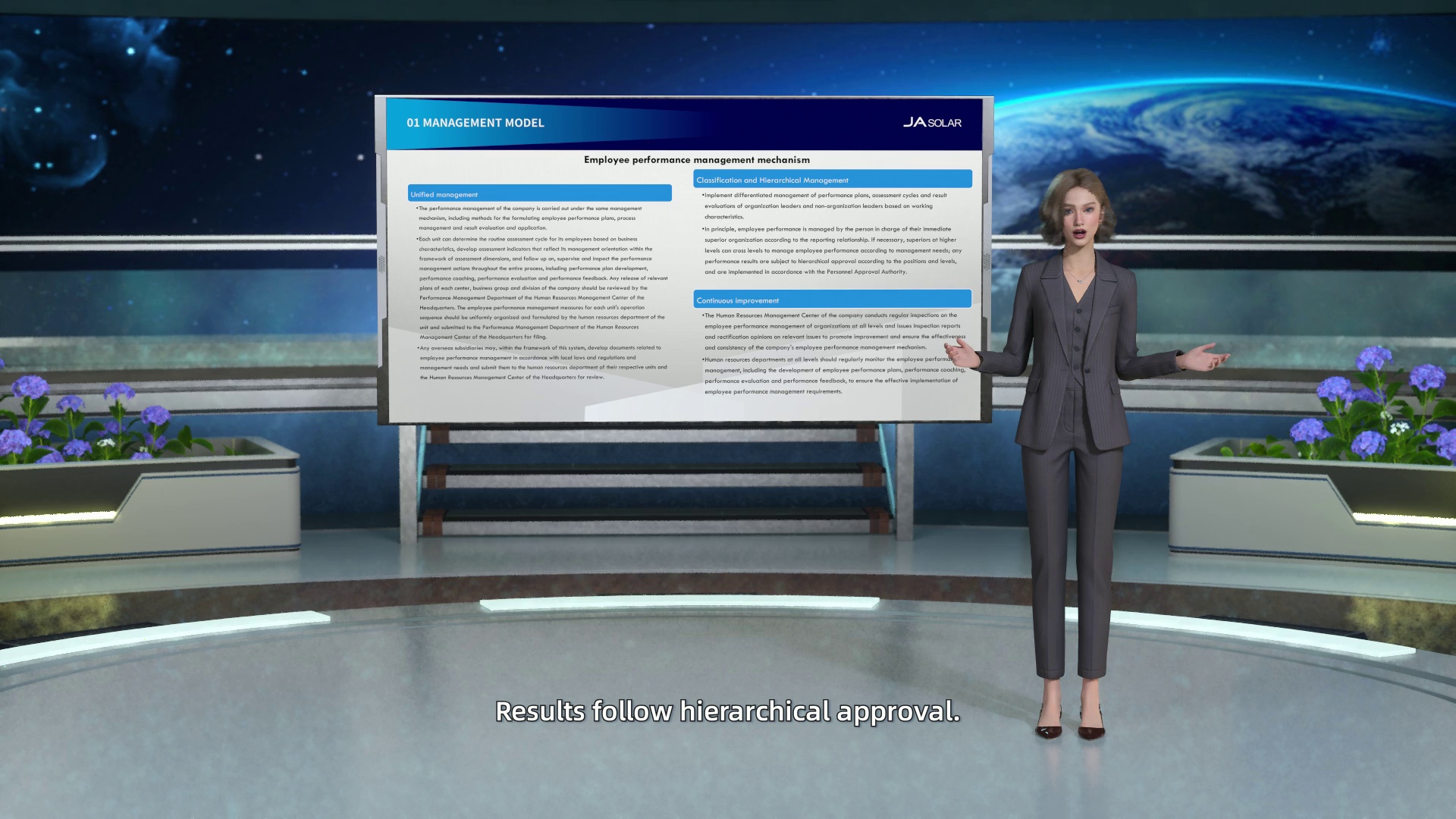
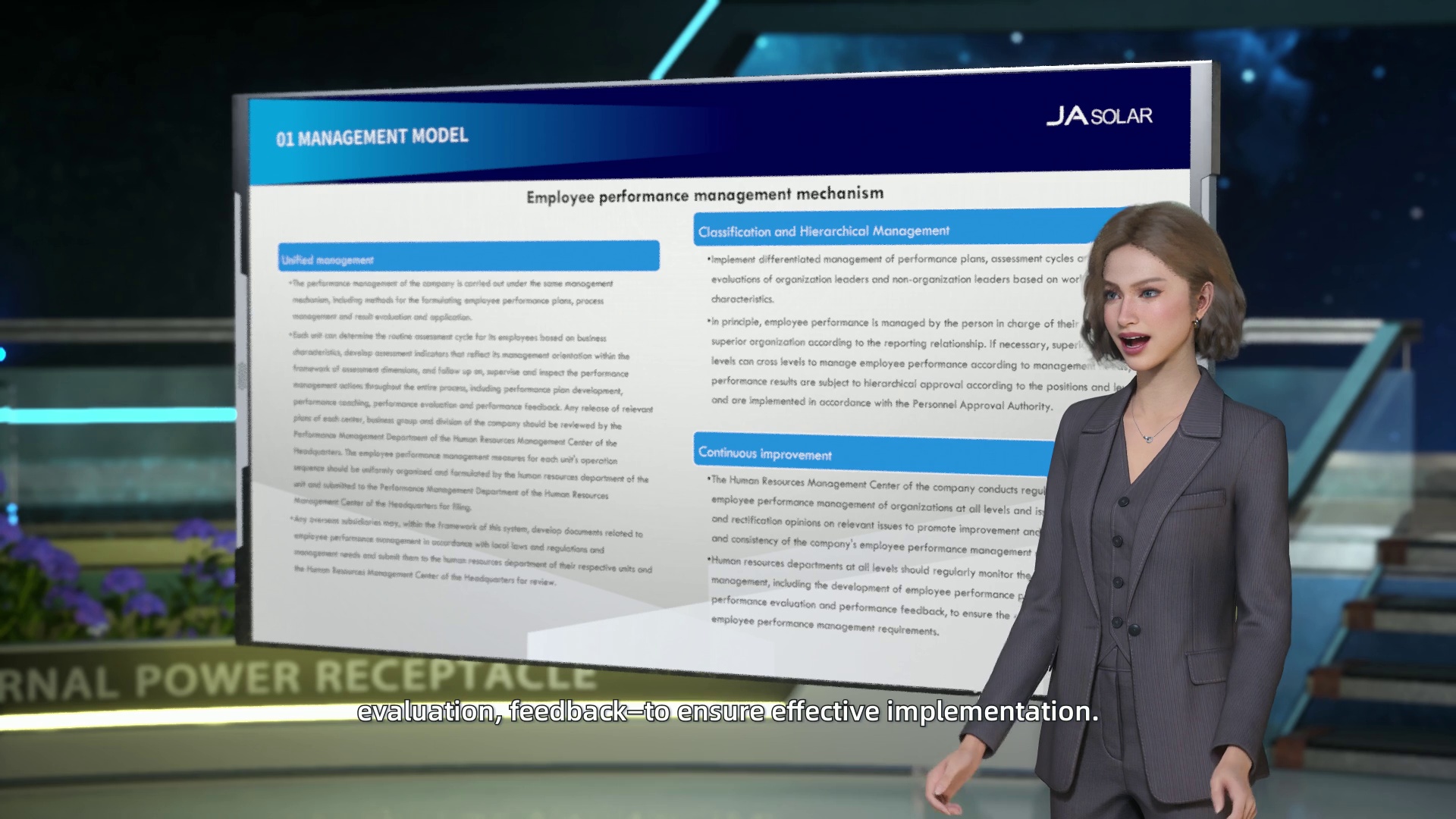
The Management Model has 3 principles. Unified Management means the company follows a single, consistent mechanism across all units. Units can set their own assessment cycles and indicators, but relevant plans must be reviewed by Headquarters HR. Overseas subsidiaries may develop local documents within the framework, subject to local laws. Classification and Hierarchical Management refers to refers to managing different roles in different ways. Performance is managed by the immediate supervisor, though higher-level supervisors can step in if needed. Results follow hierarchical approval. Continuous Improvement means Headquarters HR conducts regular inspections. HR at all levels monitors the full process—planning, coaching, evaluation, feedback—to ensure effective implementation.
The main management process follows the PDCA cycle. Objectives cascade down by layer from the company, first - level organizations other organizational levels, all the way to employees. The process requires two - way communication and regular correction. Performance evaluation involves collective review sessions with performance management committees, unit leaders, and HR. The performance feedback stage includes interviews, improvements, and appeals.
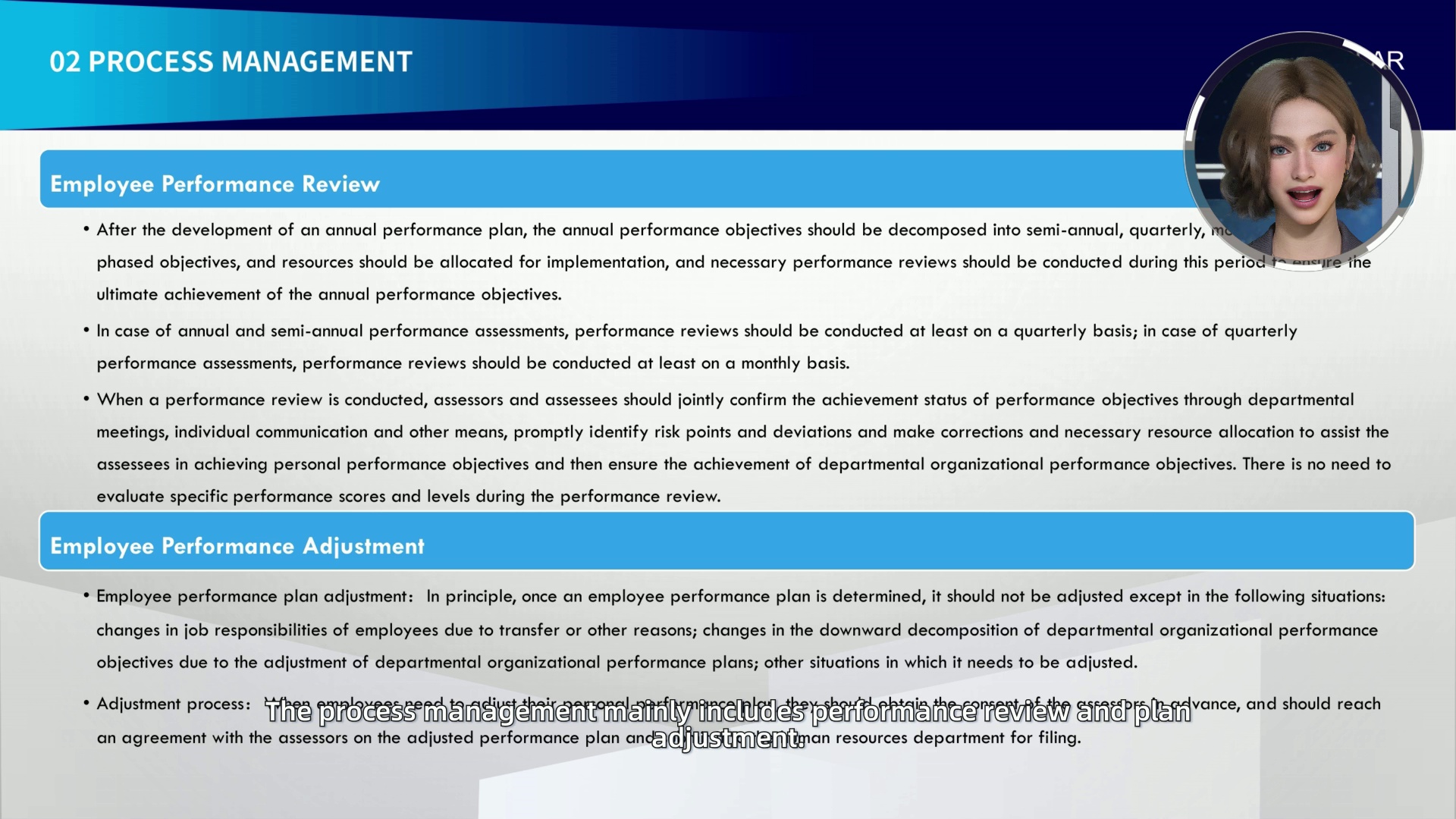
The process management mainly includes performance review and plan adjustment. Please take a moment to review the details.
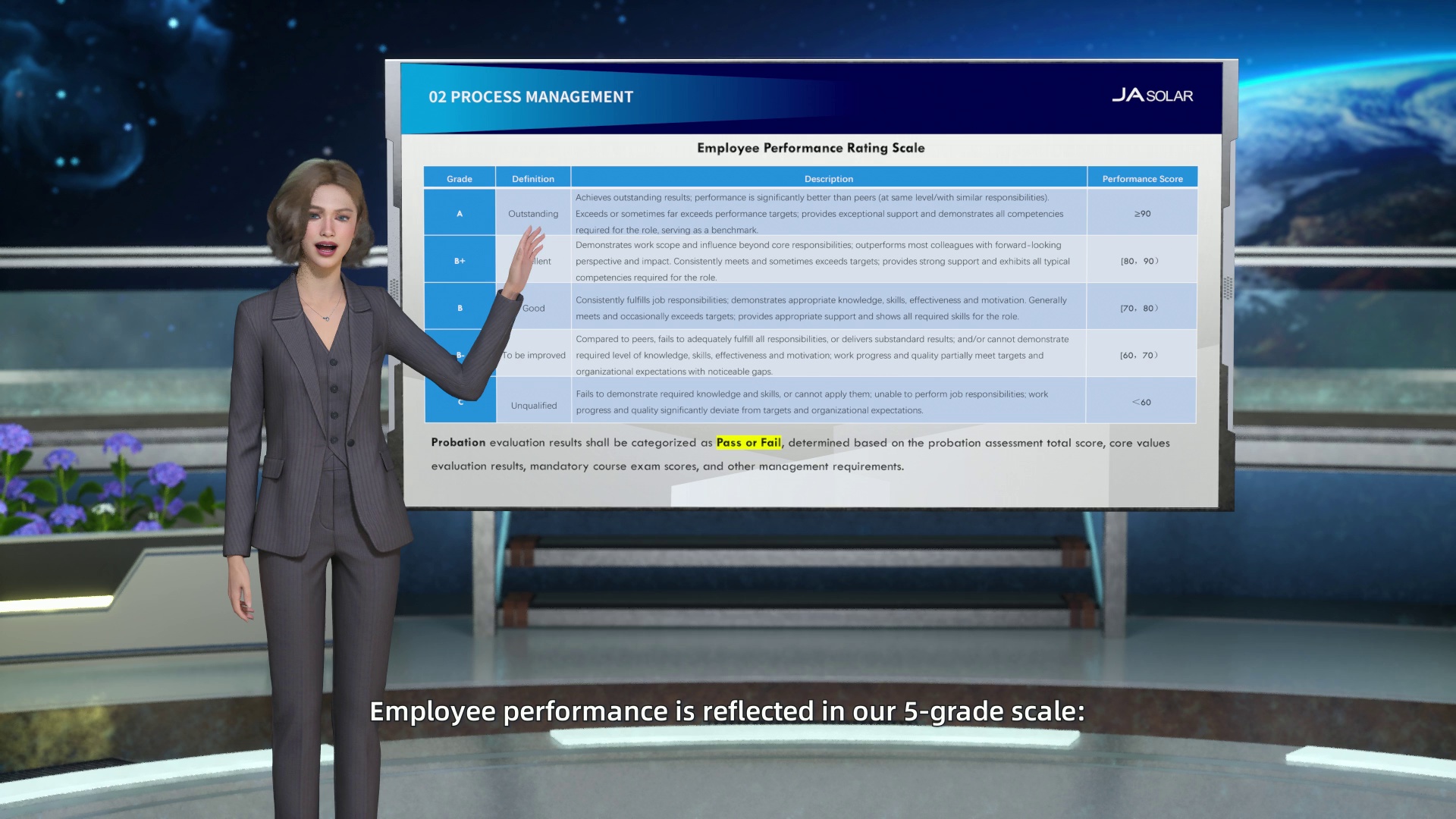
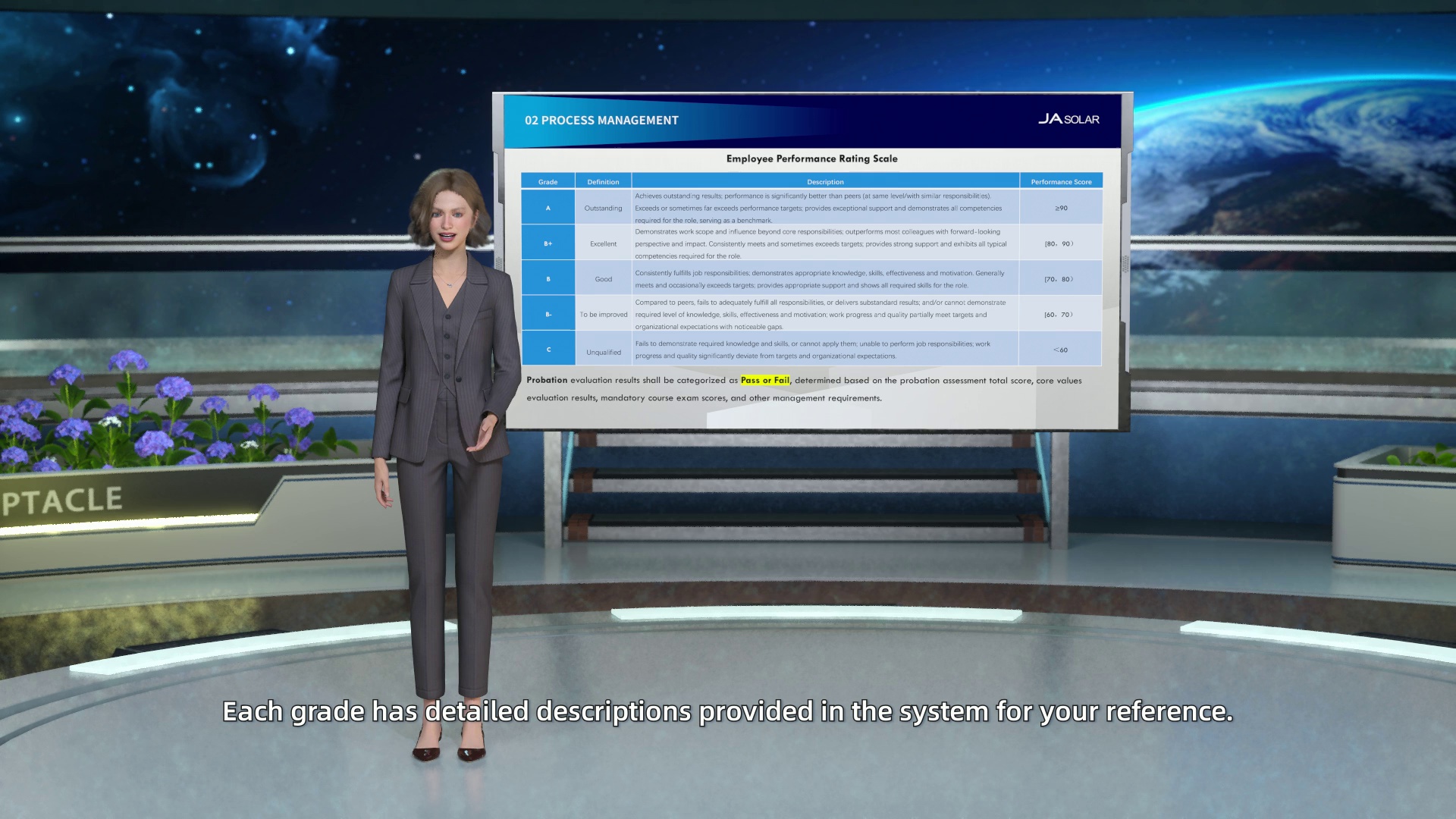
Employee performance is reflected in our 5-grade scale: A (Outstanding), B+ (Excellent), B (Good), B minus (Needs Improvement), and C (Unqualified). Each grade has detailed descriptions provided in the system for your reference. Probationary results are simply Pass or Fail.
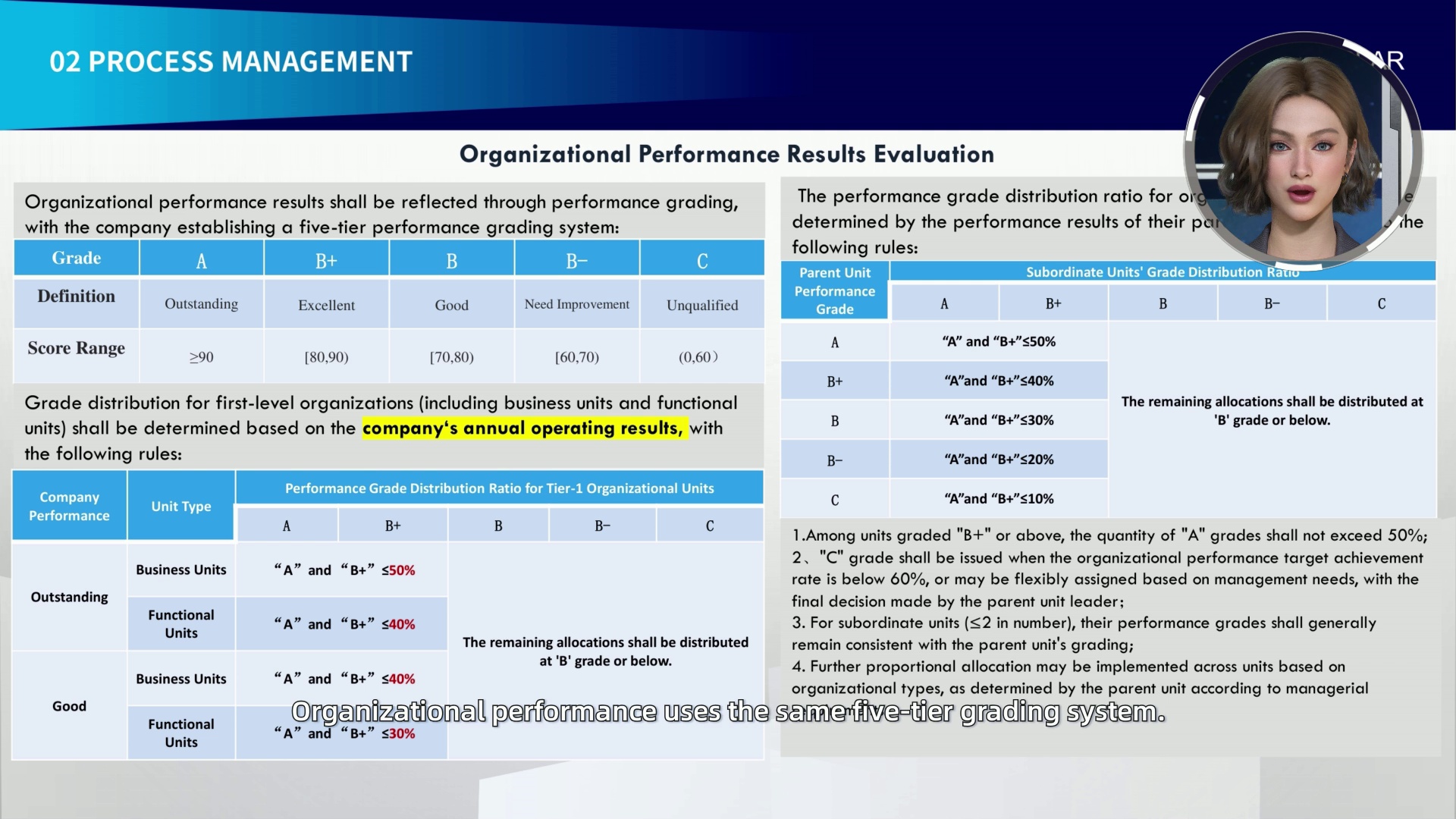
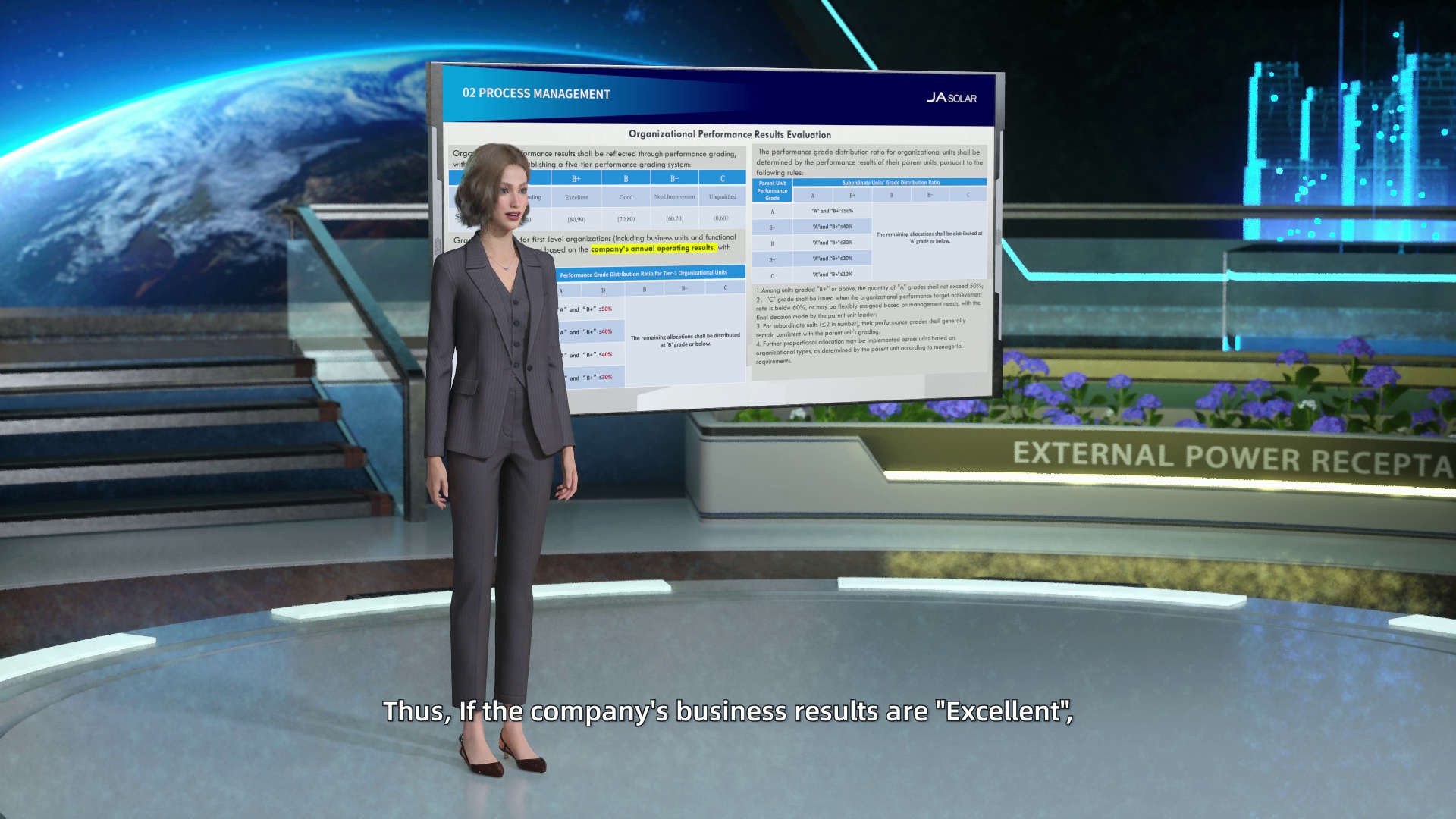
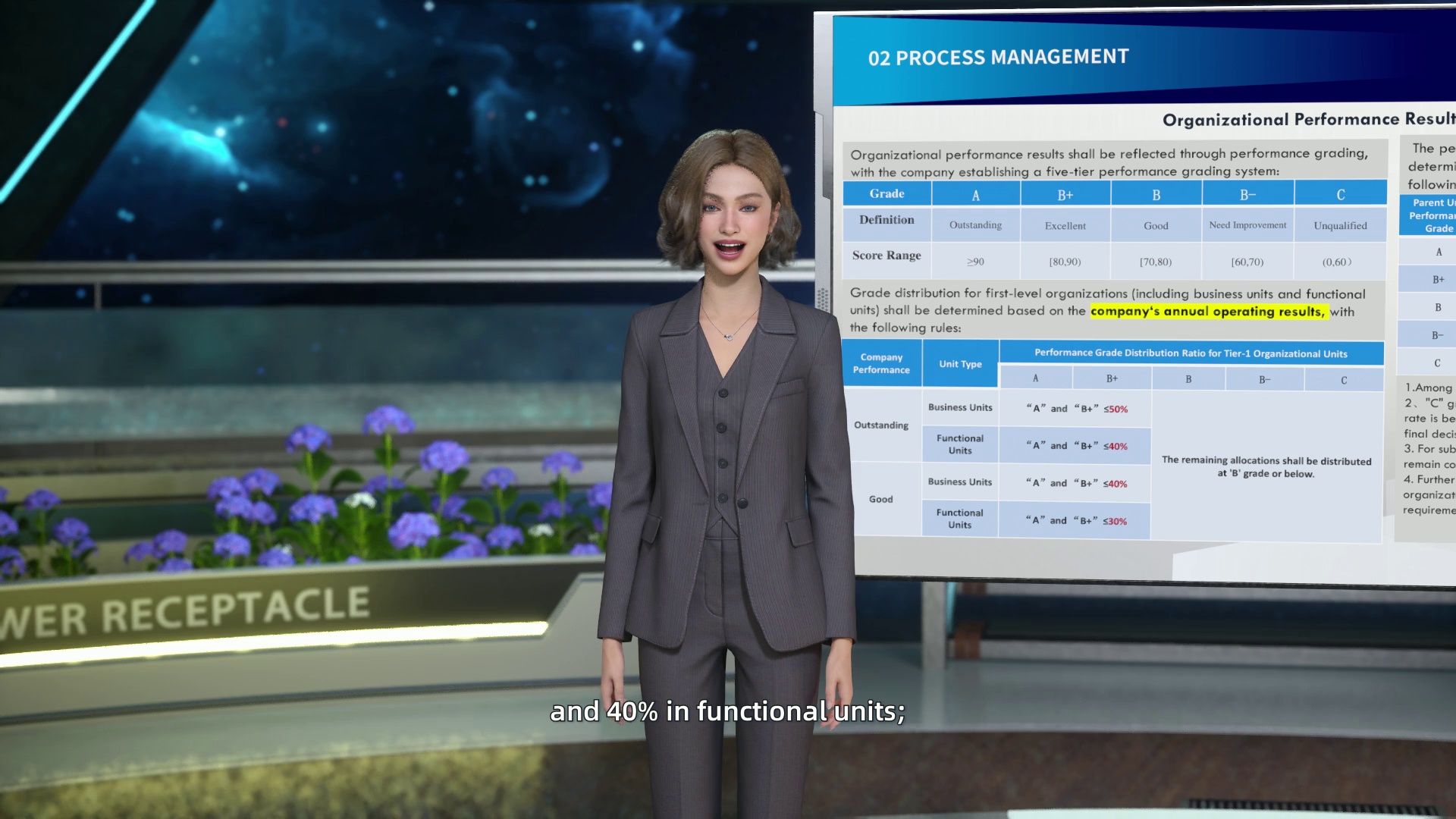
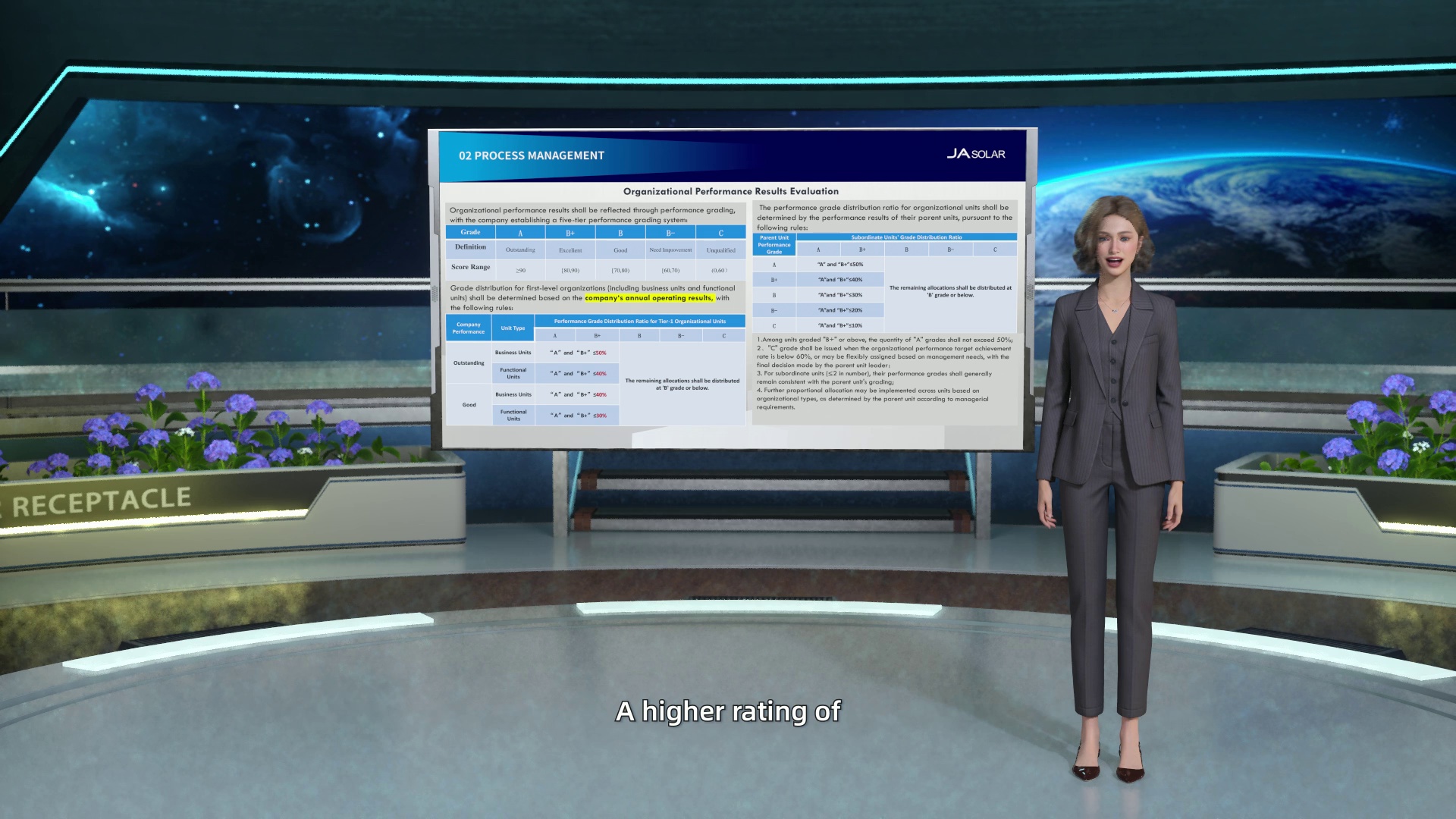
Organizational performance uses the same five-tier grading system. The grade distribution for first-level organizations, is determined based on the company's annual operating results. Thus, If the company's business results are "Excellent", up to 50% of the first - level organizations in business units can be at B+ and above, and 40% in functional units; If the results are "Good", 40% of the first - level organizations in business units can be at B+ and above, and 30% in functional units. The distribution for subordinate organizations is also linked to their superior organizations’ grade. A higher rating of the superior organization means a larger proportion of high performers in subordinate organization. Please refer to the specific table. Detailed rules and special cases are covered in the “Remarks” section.
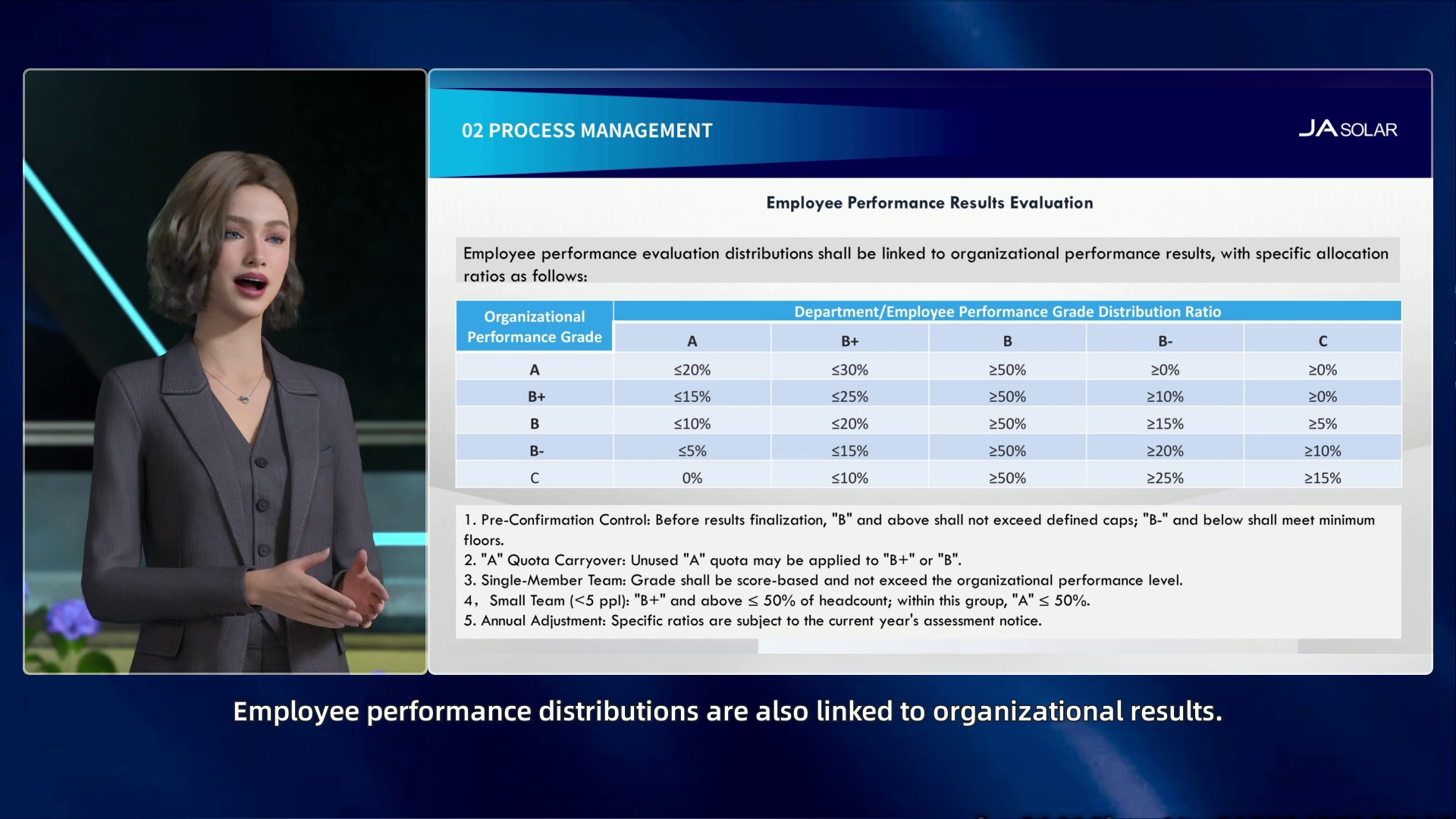
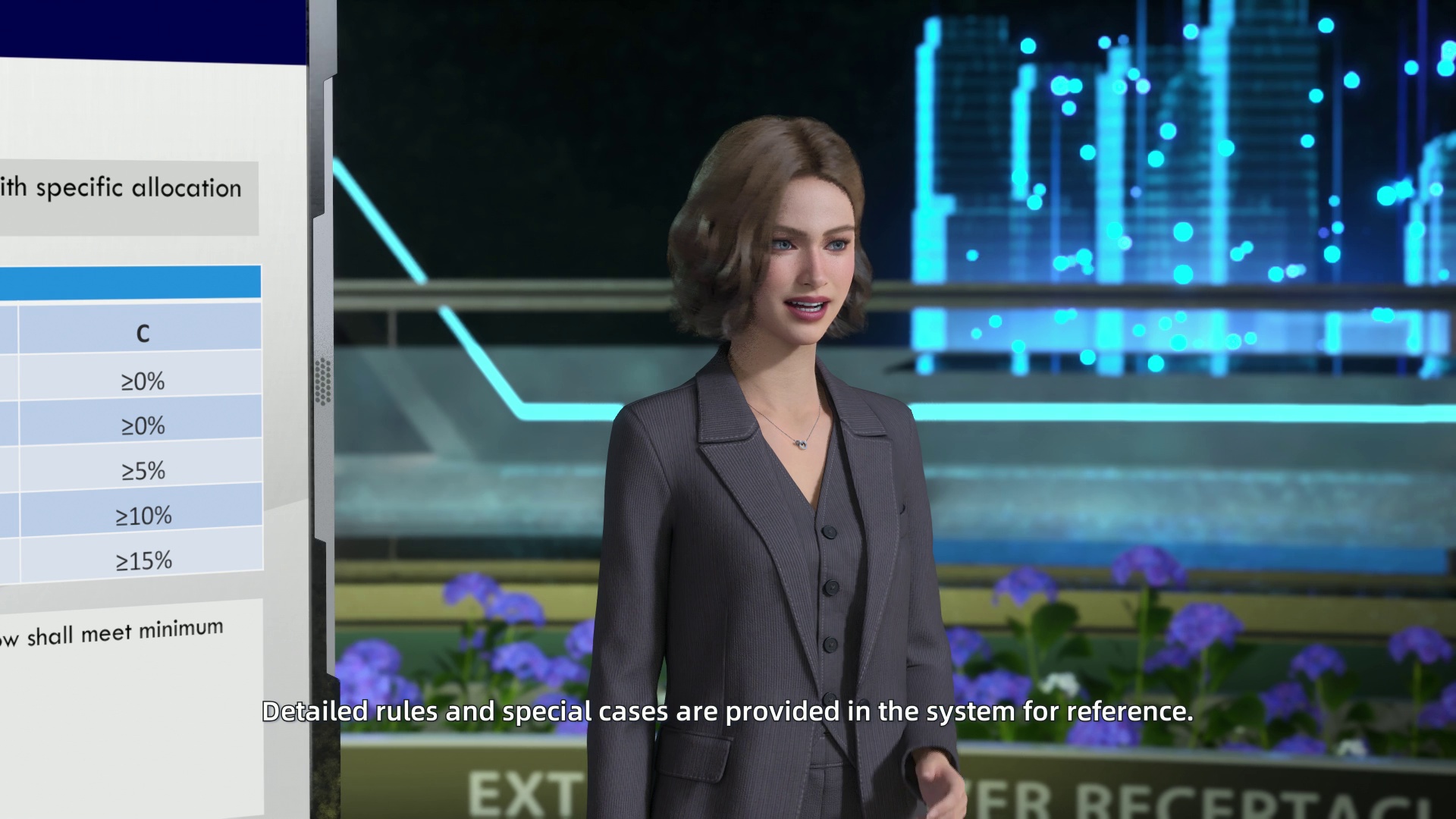
Employee performance distributions are also linked to organizational results. The higher the organization’s grade, the larger the proportion of high-performing employees. Detailed rules and special cases are provided in the system for reference.
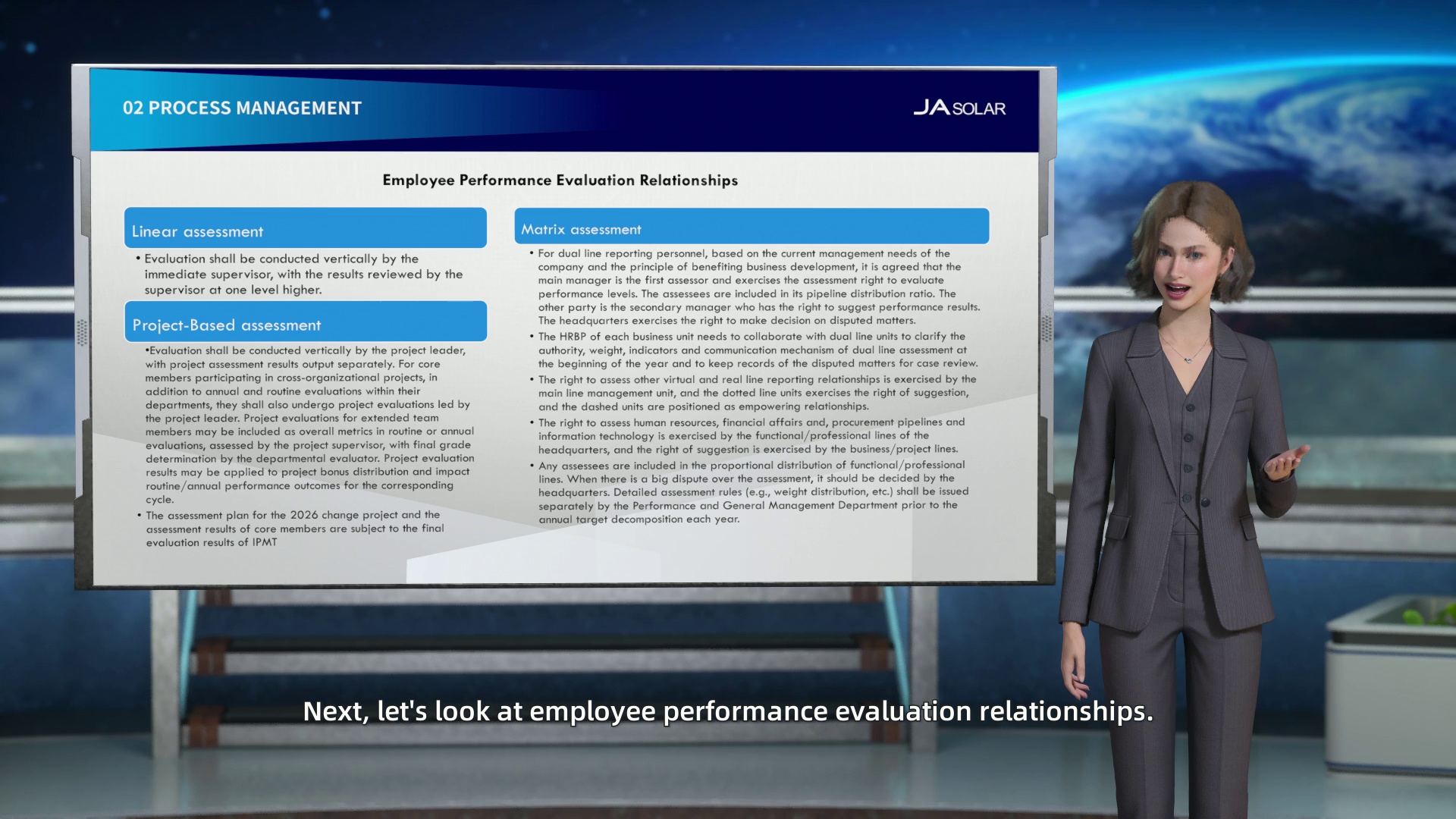
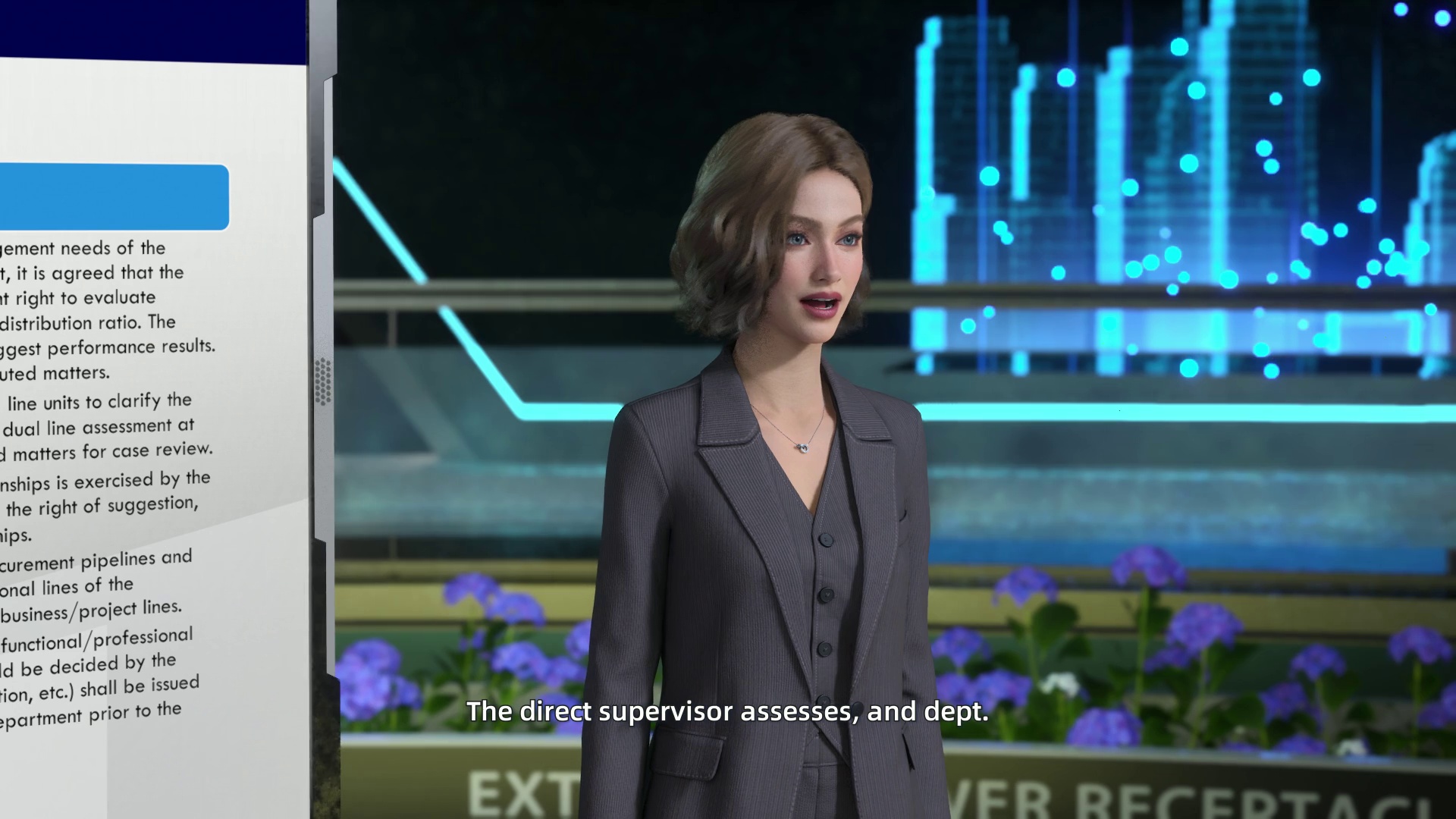
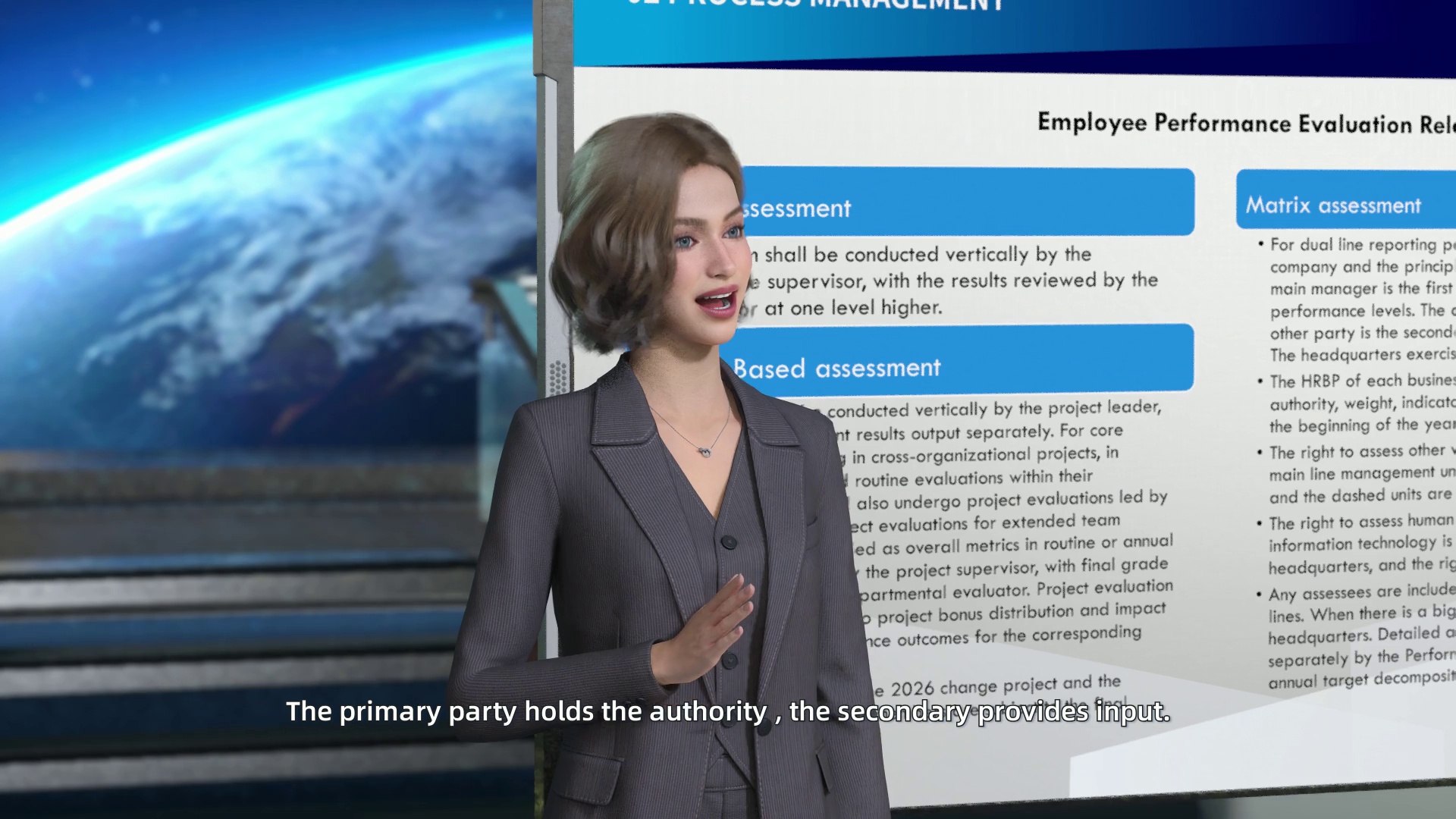
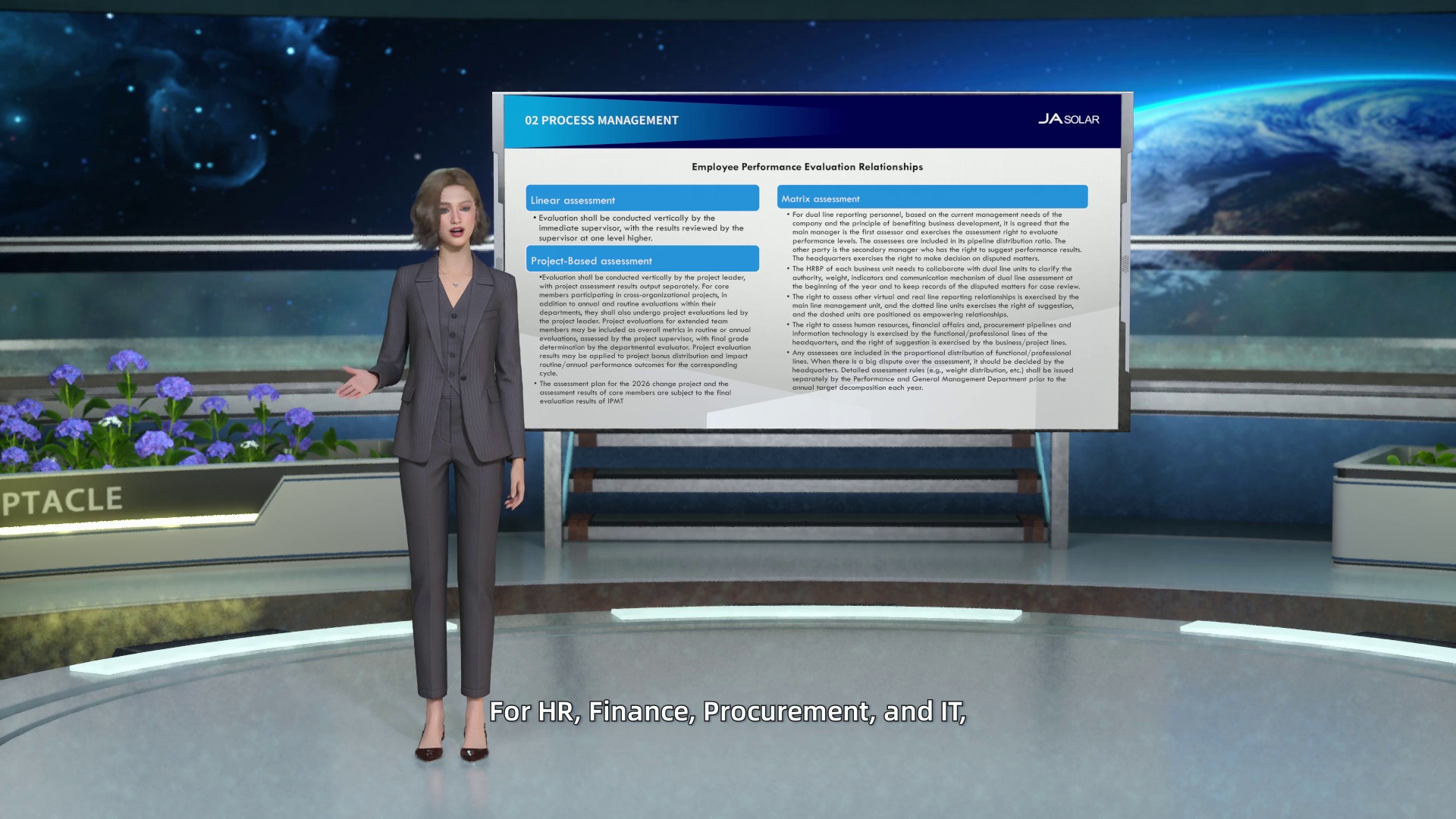
Next, let's look at employee performance evaluation relationships. There are three main types: The most common one is the linear assessment. The direct supervisor assesses, and dept. leader review. There is no dispute over the assessment authority.In the project - based assessment, the project leader evaluates , and the results are output separately. These results may influence the employee’s routine or annual performance rating, but the final grade is determined by the department head, who holds the assessment authority. Finally, for matrix or dual‑reporting structures, we clarify at the start of the year who holds primary evaluation authority and who holds advisory rights. The primary party holds the authority , the secondary provides input. HRBPs help clarify details, including authority, weightings, indicators, and communication mechanisms. For HR, Finance, Procurement, and IT, the professional lines hold authority, and the project lines hold advisory rights.
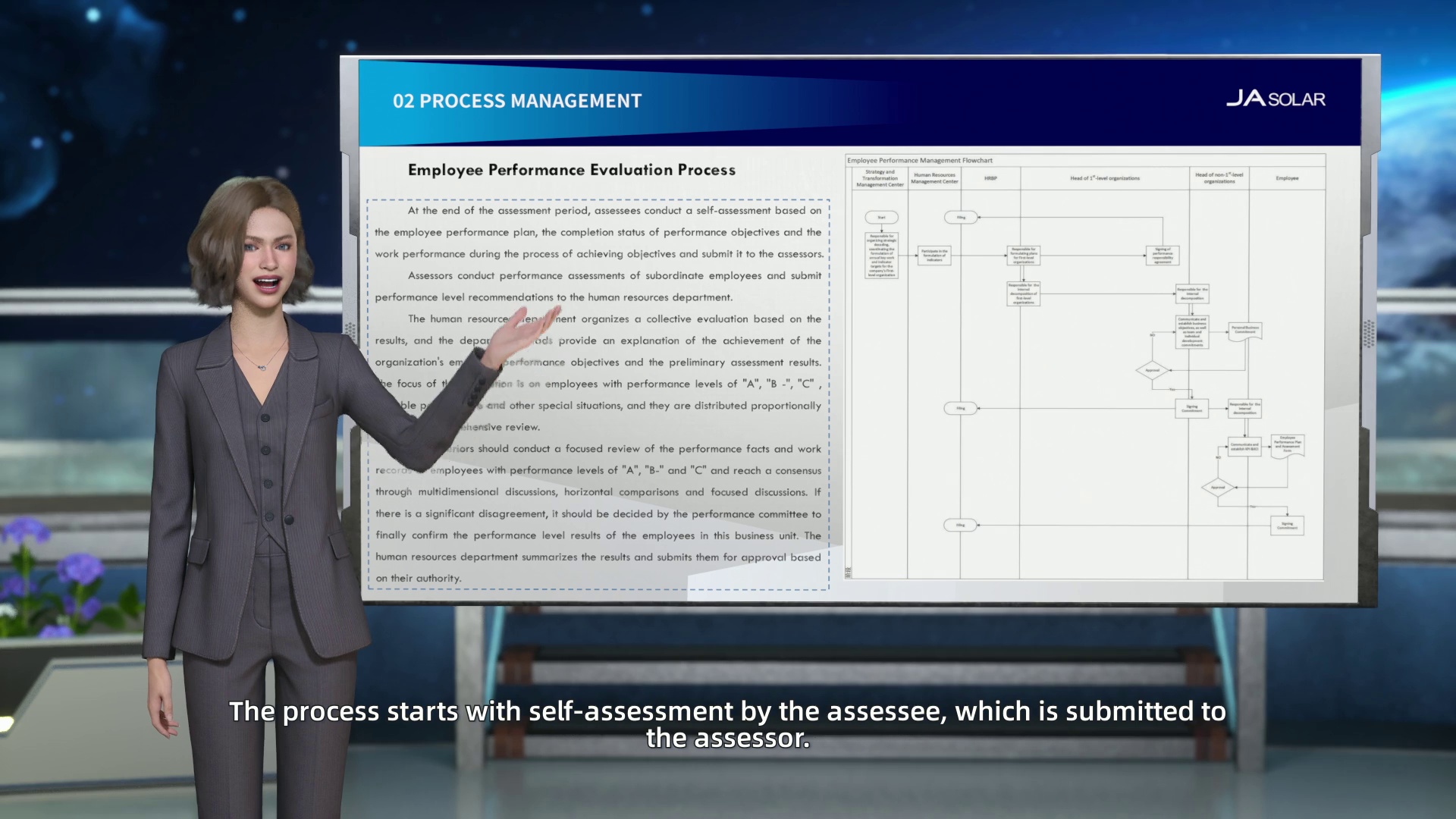
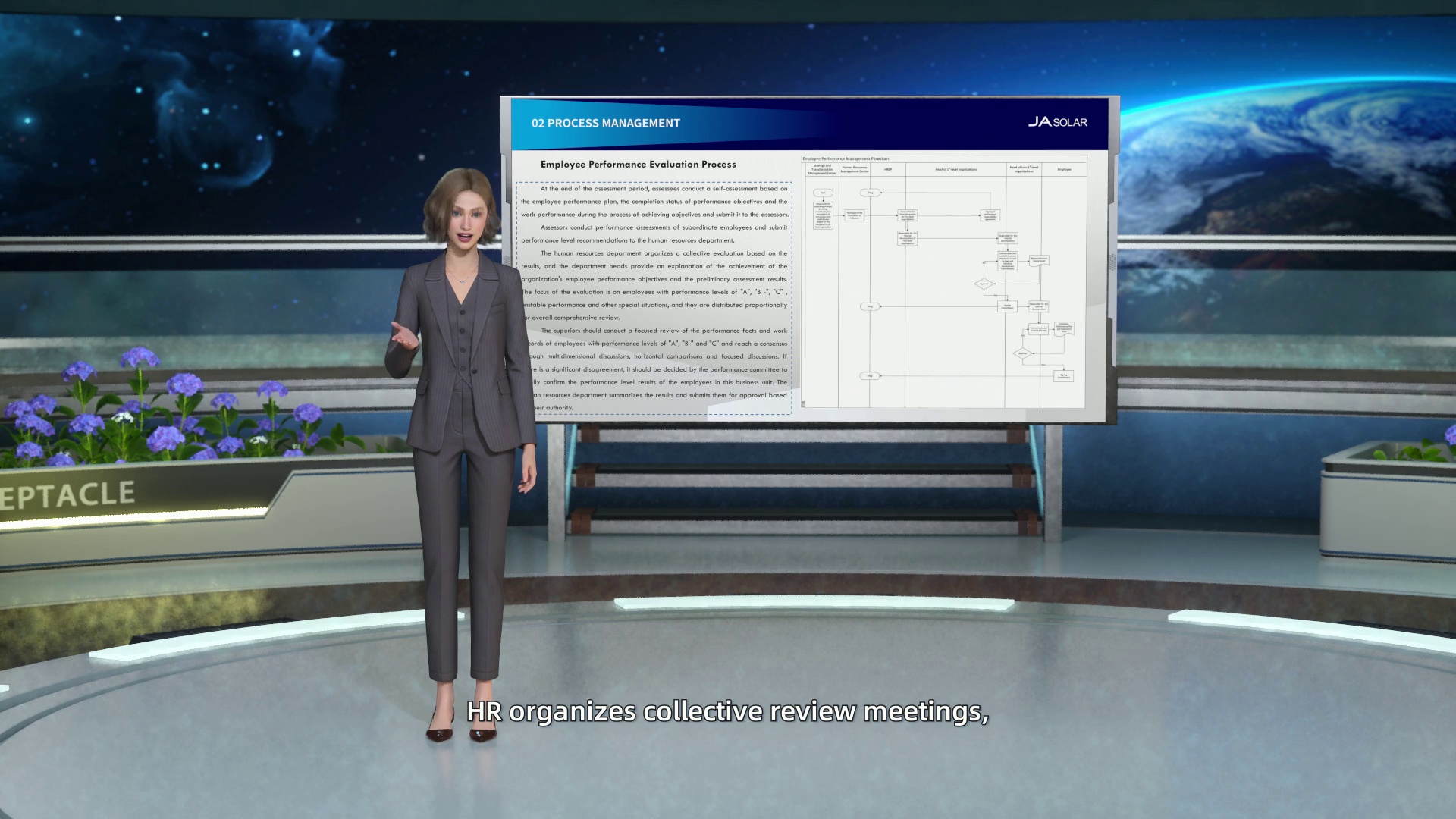
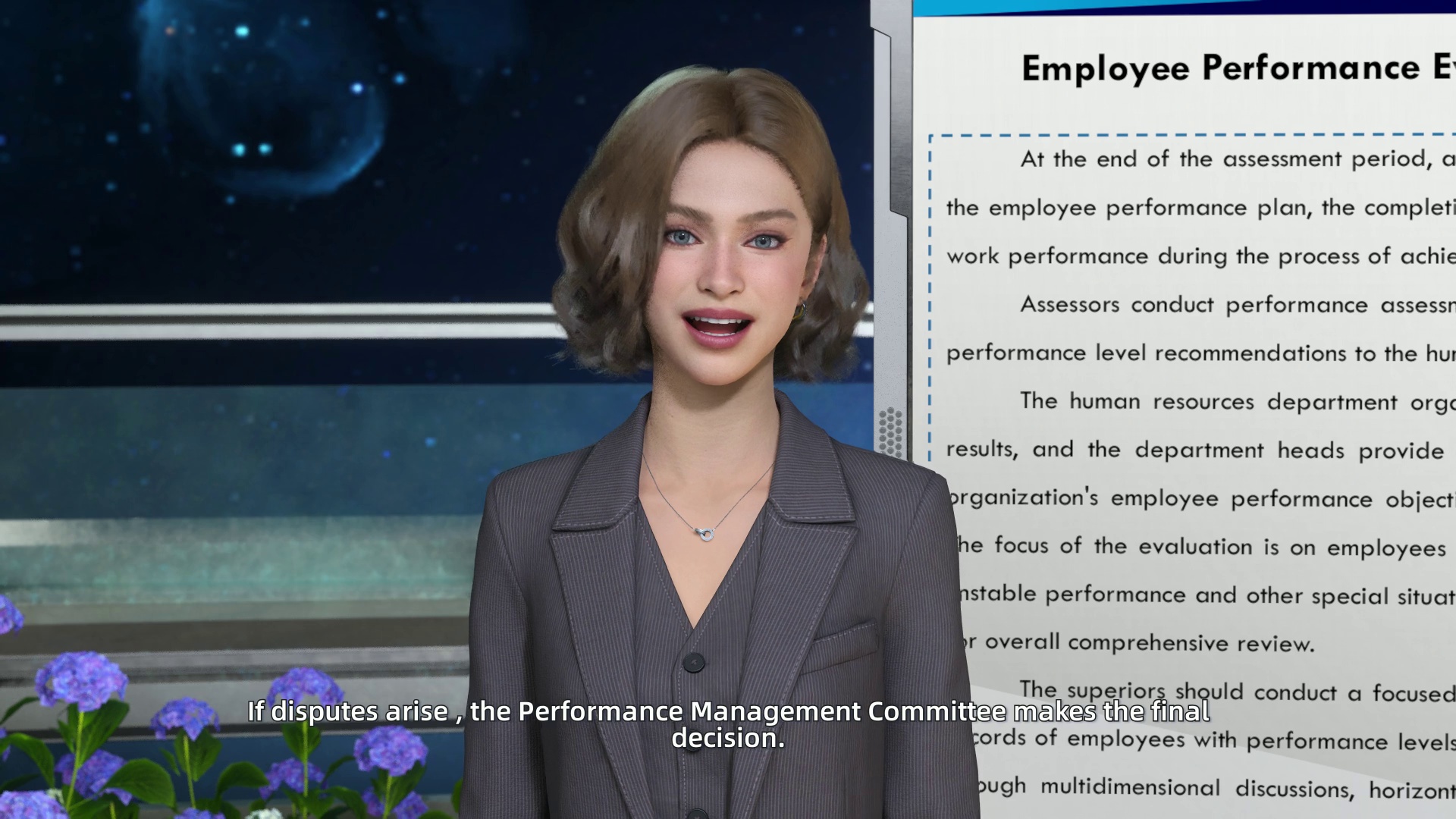
The process starts with self-assessment by the assessee, which is submitted to the assessor. The assessor then evaluates and submits the evaluation results to HR. HR organizes collective review meetings, focusing on employees rated "A", "B minus", "C" or with unstable performance. If disputes arise , the Performance Management Committee makes the final decision.After reaching an agreement, HR summarizes the results and submits them for approval.
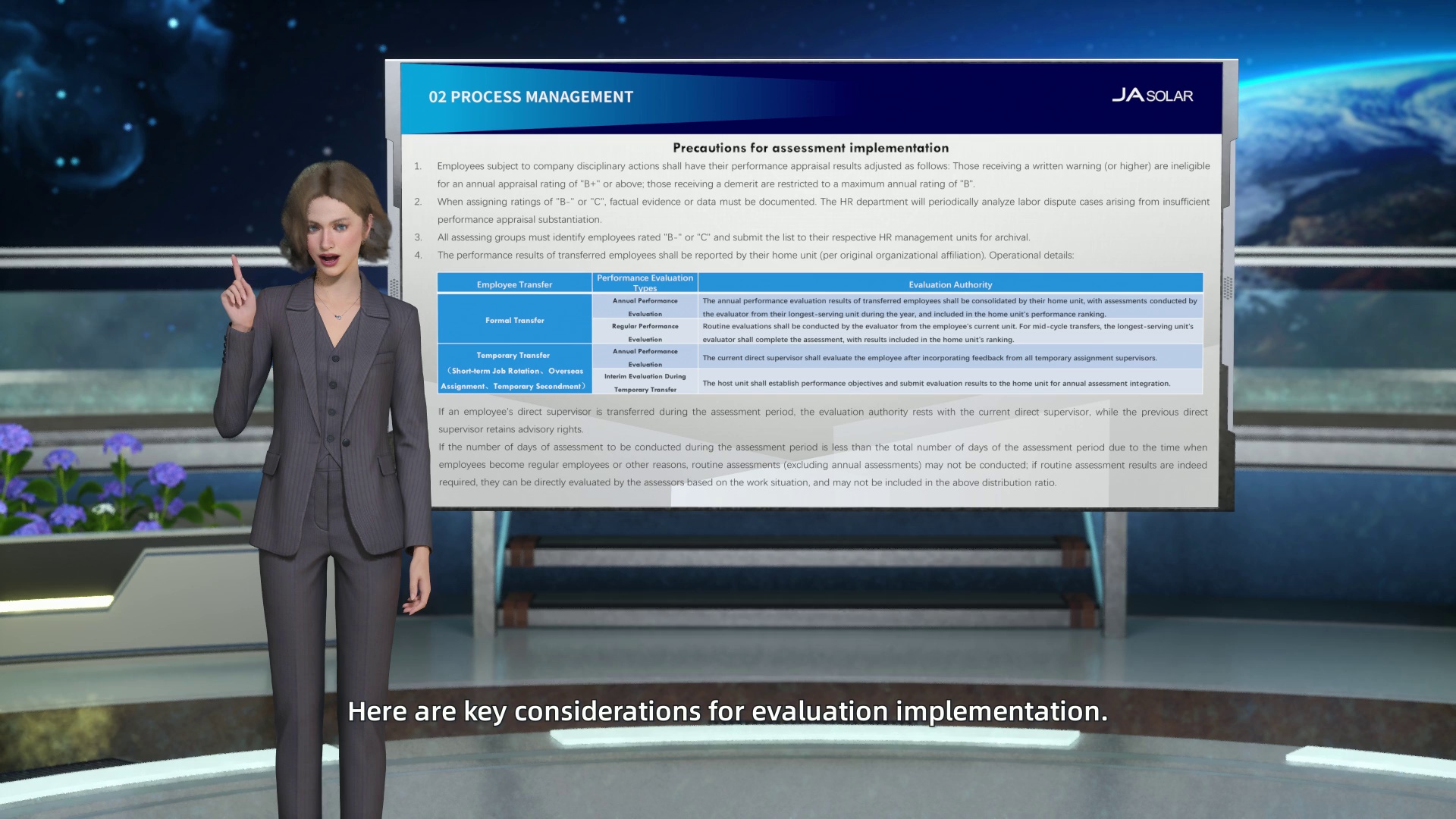
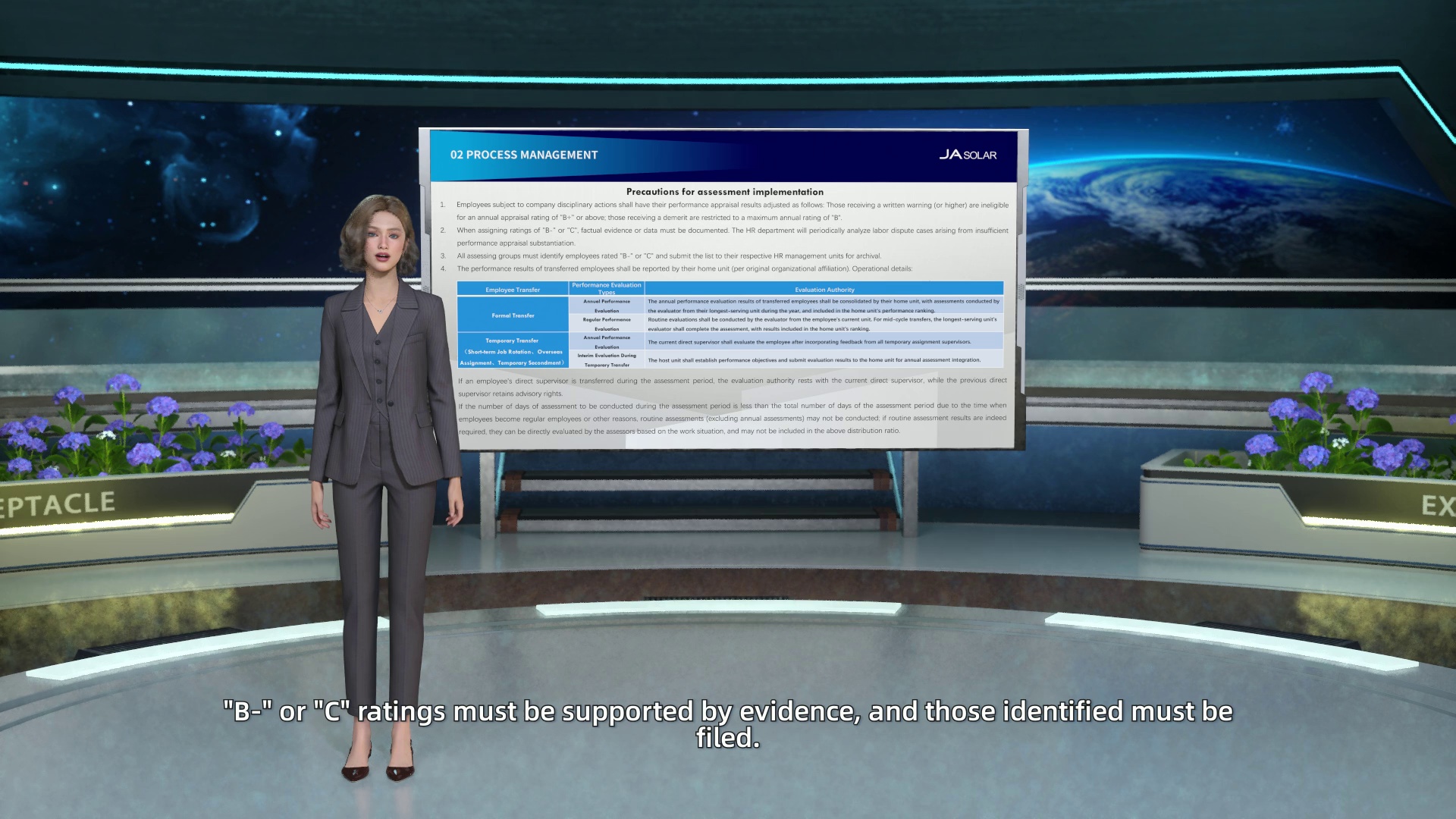
Here are key considerations for evaluation implementation. For example, if an employee receives disciplinary action, it will affect their assessment results. “B-” or “C” ratings must be supported by evidence, and those identified must be filed. For transferred employees, the performance results are reported by the unit where their position belongs during the assessment period.
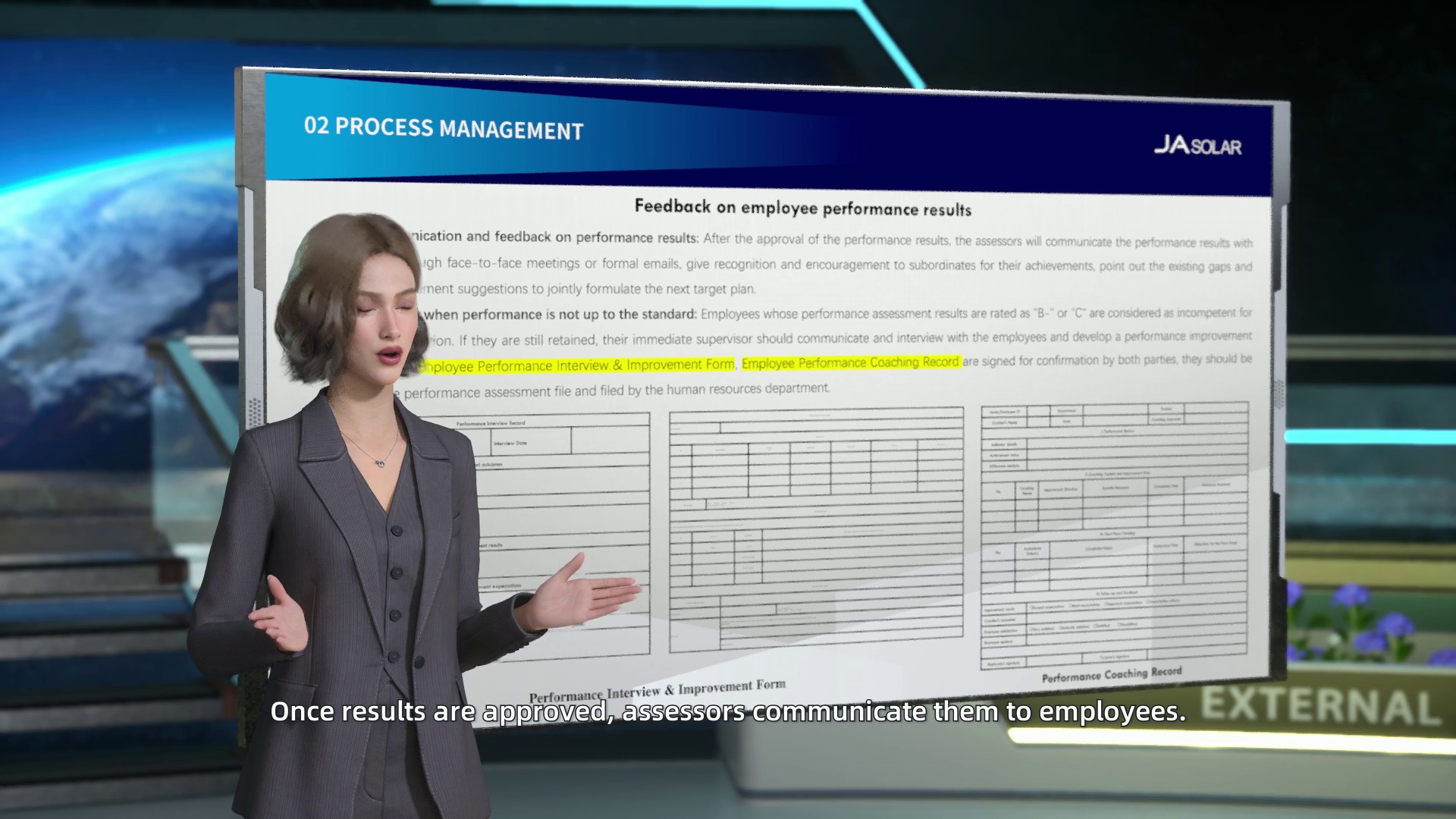
Once results are approved, assessors communicate them to employees. The discussion should recognize achievements, identify gaps, offer improvement suggestions, and jointly set the next targets.
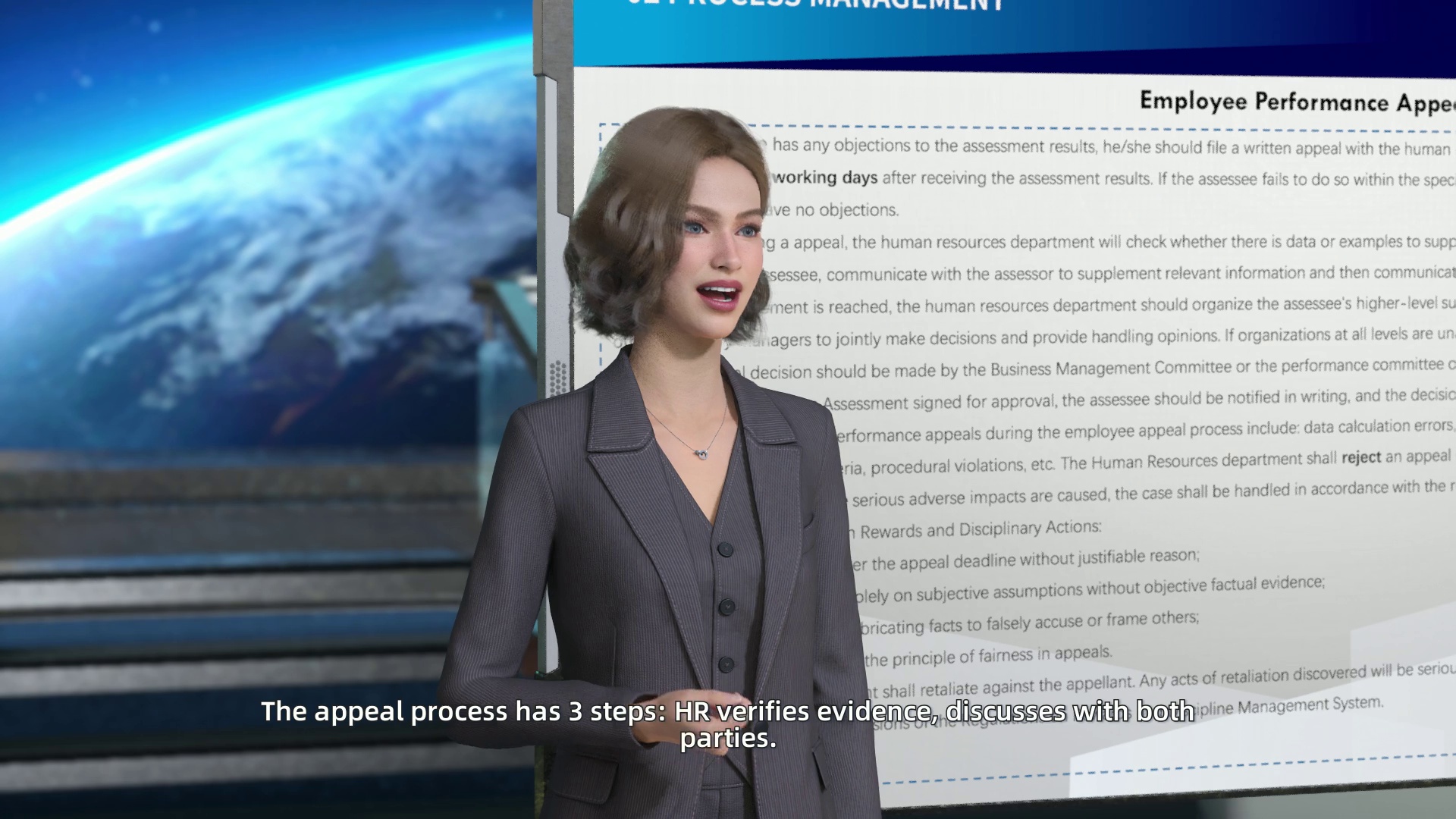
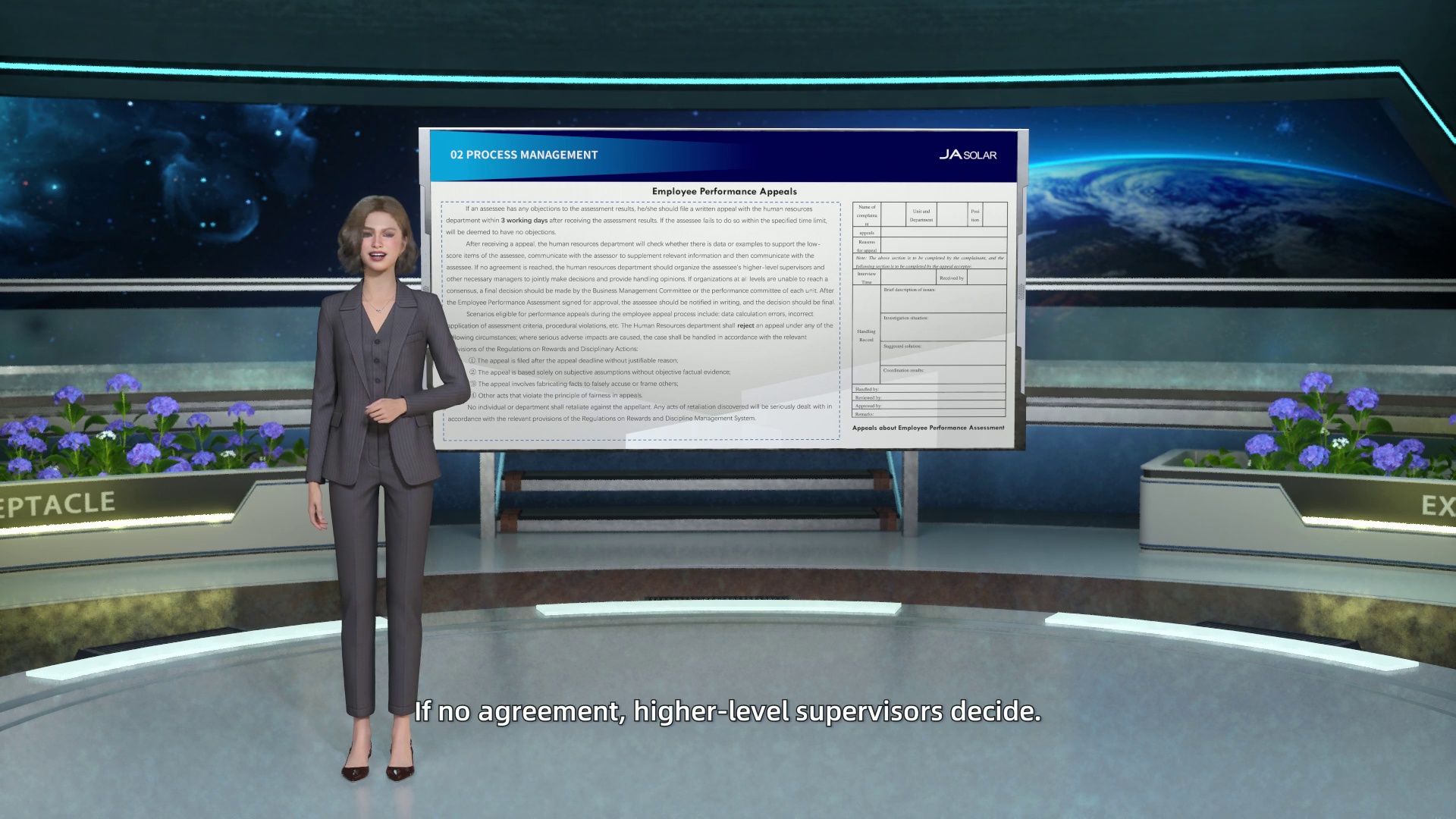
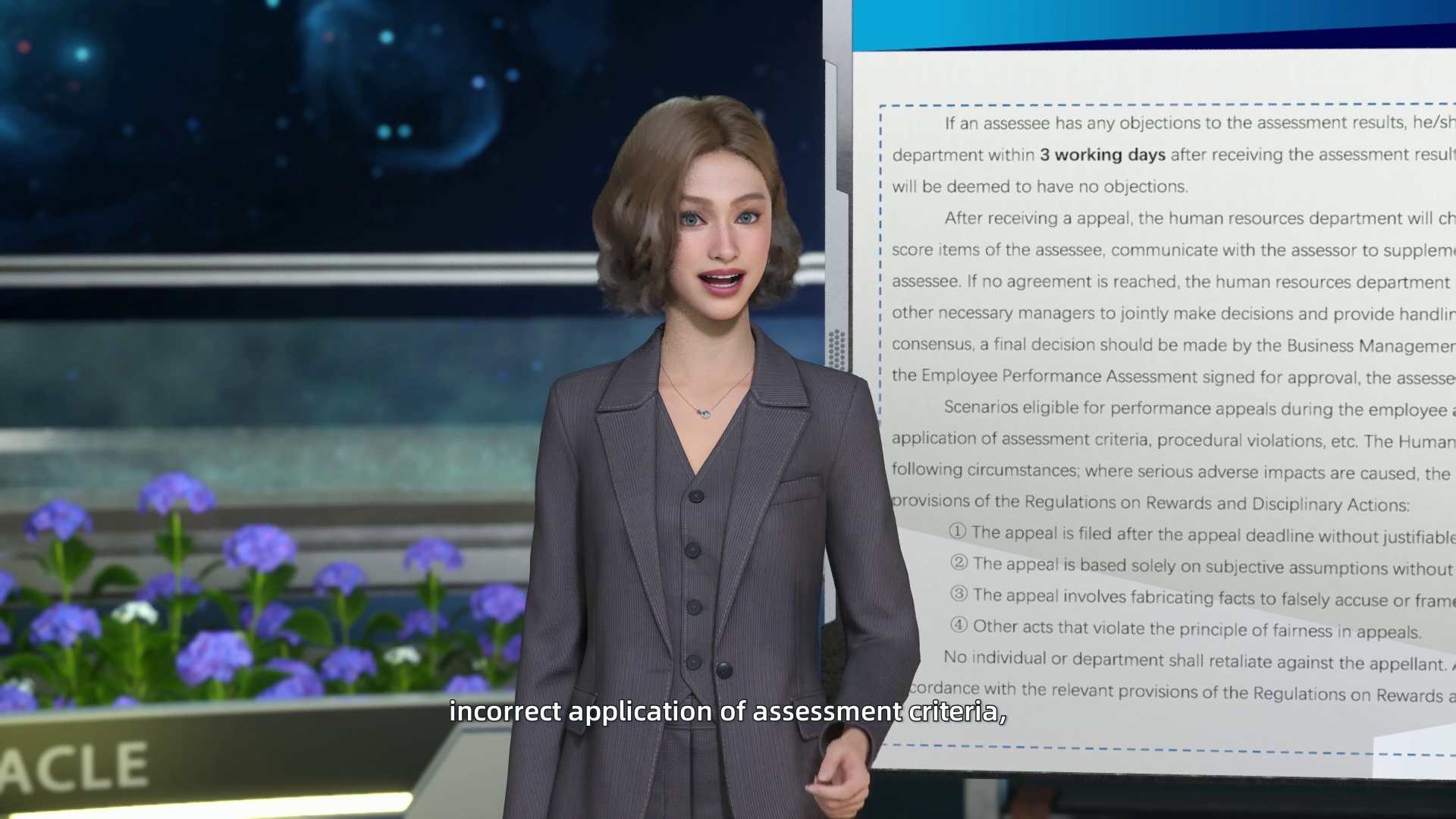
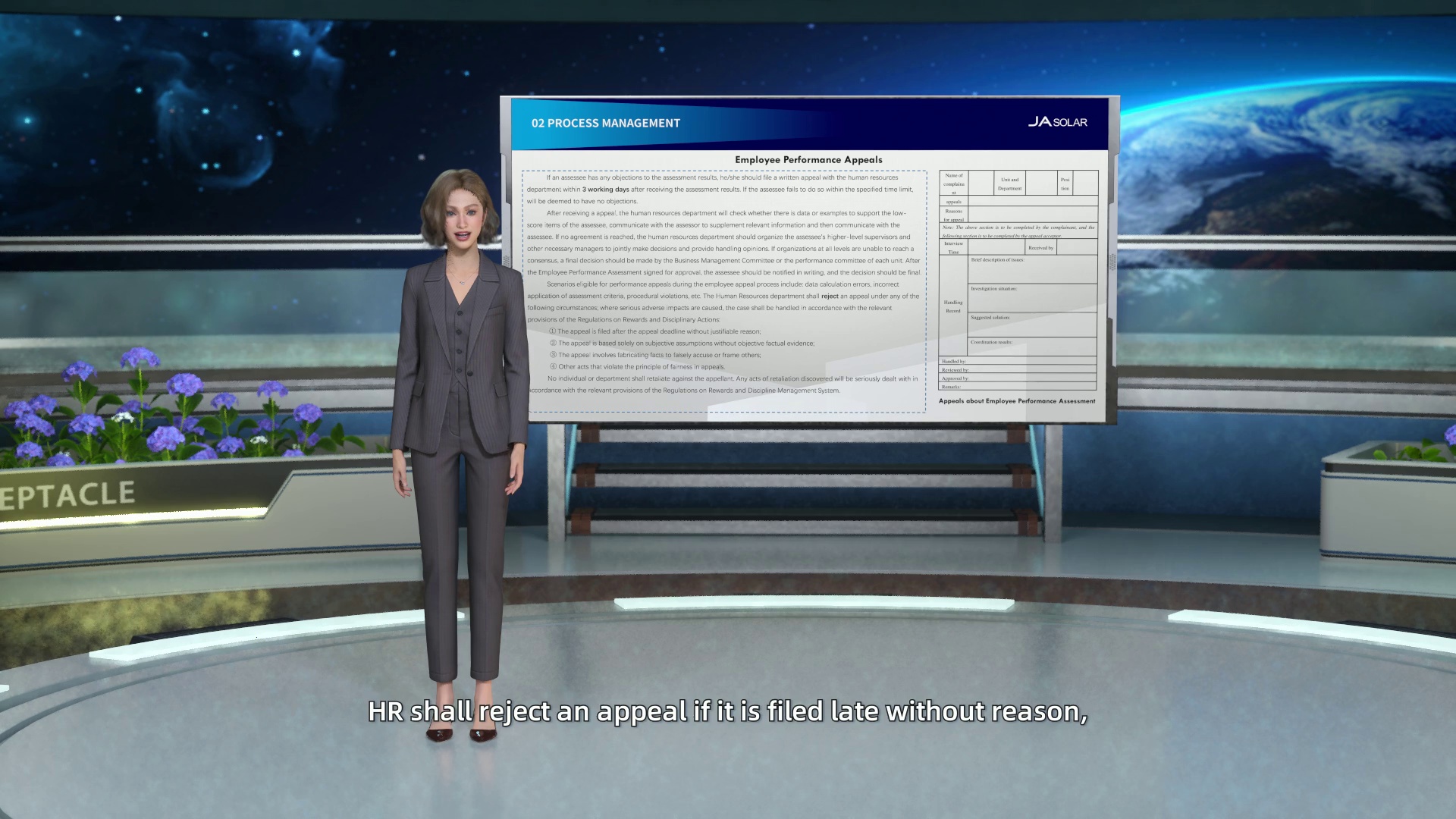
If an assessee disagrees with their results, they must file a written appeal with HR within 3 working days. Late submissions are considered acceptance. The appeal process has 3 steps: HR verifies evidence, discusses with both parties.If no agreement, higher‑level supervisors decide. If still unresolved, the Business Management Committee or unit Performance Committee makes the final, binding decision. Eligible appeal scenarios include data calculation errors, incorrect application of assessment criteria, and procedural violations. HR shall reject an appeal if it is filed late without reason, based solely on subjective accusation, involves false accusation or framing, or constitutes other unfair acts. No retaliation against appellant. Serious violations handled under Rewards and Discipline regulations.
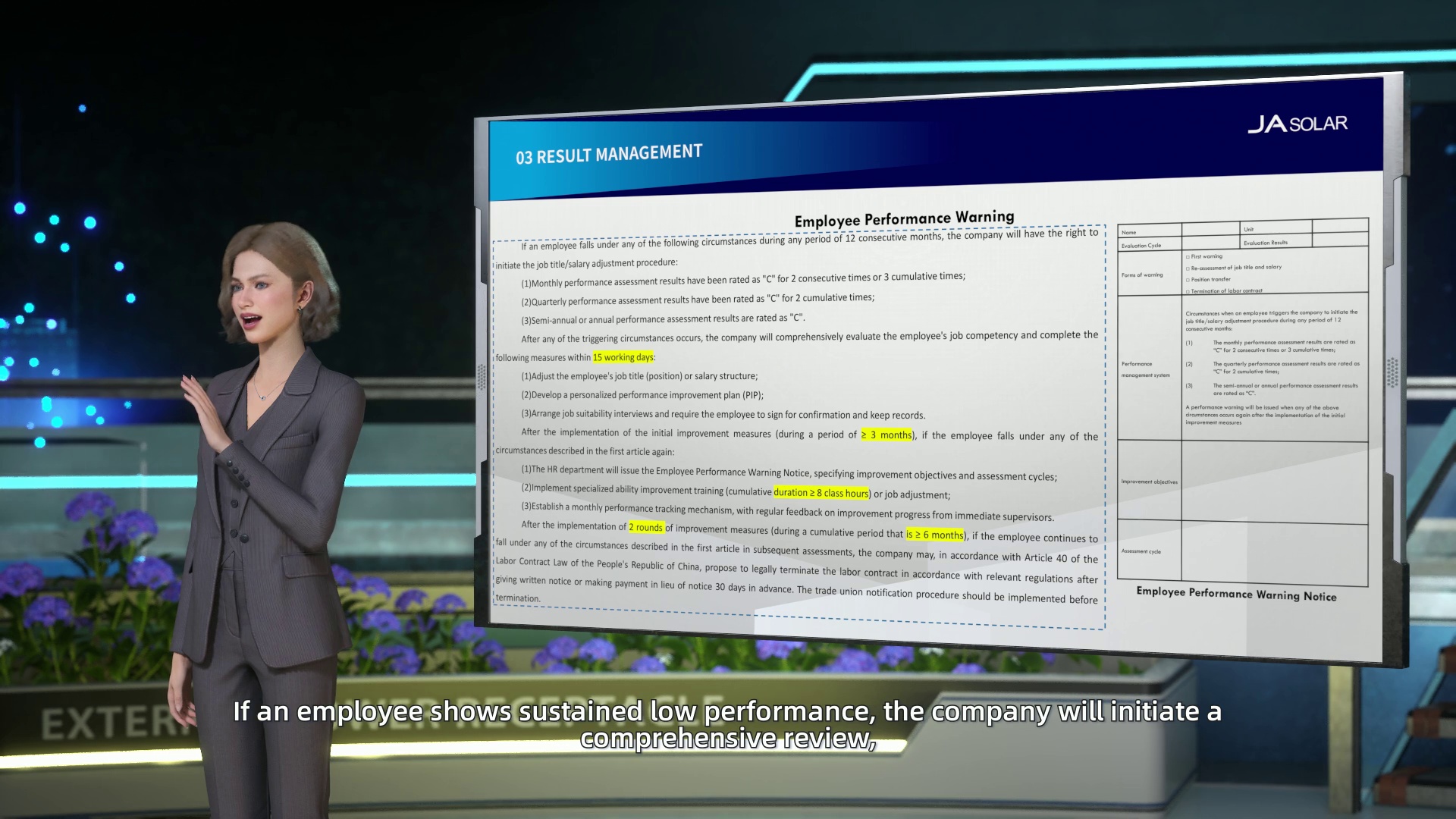
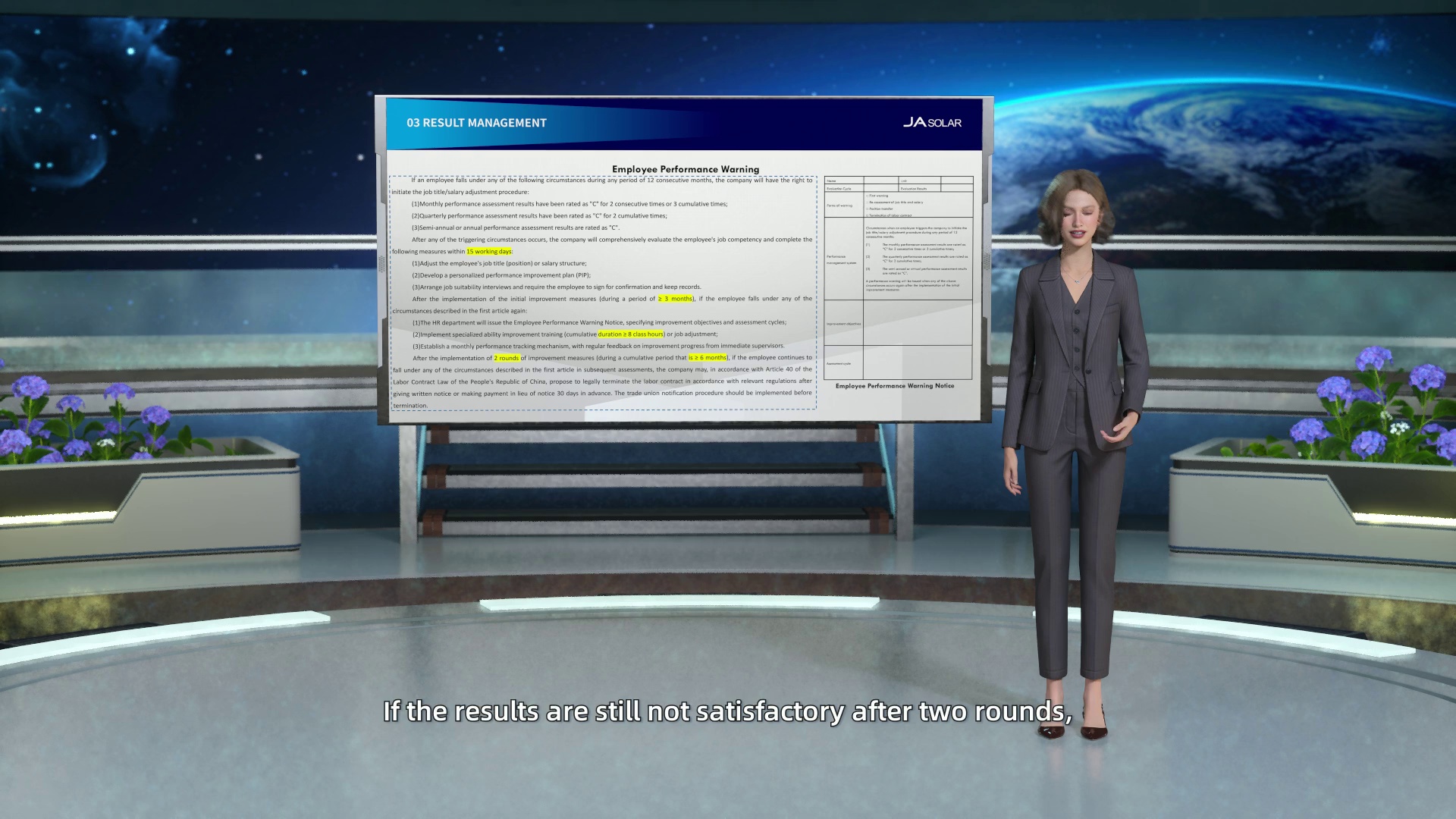
If an employee shows sustained low performance, the company will initiate a comprehensive review, including job or salary adjustment, a personalized PIP, and job suitability interviews. If the first round of improvement is unsatisfactory, HR issues an Employee Performance Warning Notice, and the employee may receive further training or be reassigned. If the results are still not satisfactory after two rounds, the company will consider terminating the labor contract in accordance with the law. Ensure you follow the timelines, procedures, and maintain two-way communication, signature confirmation, and proper documentation throughout each step.
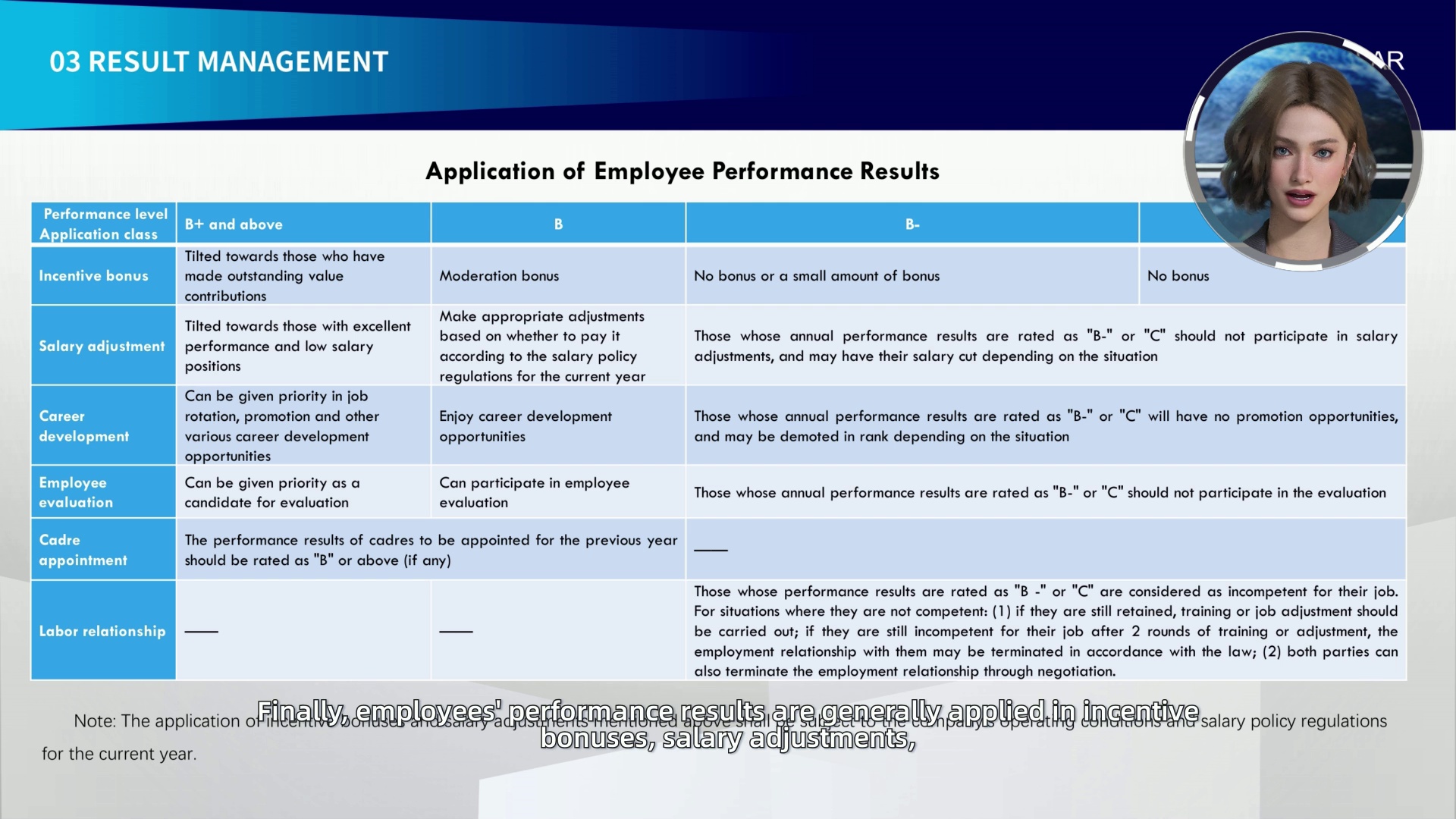
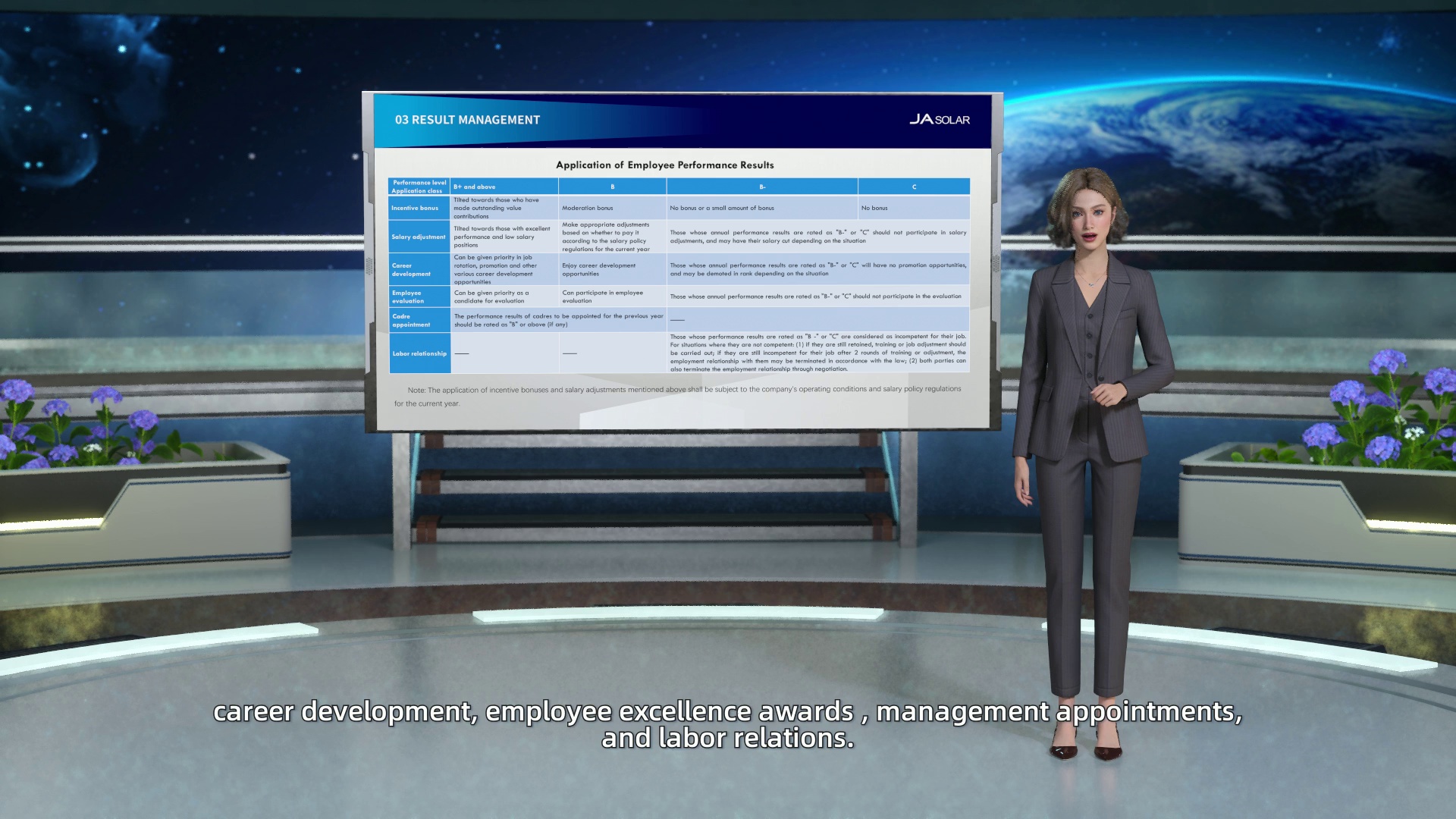
Finally, employees' performance results are generally applied in incentive bonuses, salary adjustments, career development, employee excellence awards , management appointments, and labor relations. Positive incentives favor high performers, while low performance triggers negative consequences.
That concludes our overview of the Employee Performance Management System for 2026. Thank you for your time.
展开